
• Skip to main content
  • Skip to footer

SOHMA Integrative Medicine

We offer the best of Eastern & Western medicine without using drugs or surgery

  • Tai Chi
    • Tai Chi Benefits
    • Tai Chi Instructors
    • Online Tai Chi Certification Program
  • Physical Medicine
    • Chiropractic Care
      • VA Authorized Care
      • Sports Medicine
      • Digital X-Rays
    • Physiotherapy
    • Spinal Decompression
    • Laser Therapy
    • Shockwave Therapy/Piezowave
    • Cupping Therapy
    • Acupuncture
    • Herbal Pharmacy
    • VA Authorized Care
  • Blogs
  • About
    • Our Providers
  • Contact Us
    • Make an Appointment
    • New Patient Intake Forms

Physical Therapy

Can IV Therapy Help Athletes Recover?

November 14, 2023 by Dr. Daniel Hoover

Intravenous (IV) therapy, the same kind used in medical settings, has grown in popularity in recent years. Many people use IV therapy for its various benefits, such as boosting your immune system, balancing your nutrient intake, or even helping you nurse a hangover.

IV therapy is also incredibly popular in the world of sports and athletics. Often used to rehydrate after intense workouts or events, athletes use IV therapy regularly. In this article, we will explore if IV therapy helps athletes recover.

Understanding IV Therapy

IV therapy directly provides a high dosage of vitamins and minerals to the bloodstream. By delivering the nutrients through an IV allows nutrients to bypass the absorption process of the digestive system when taking supplements orally. When taken orally, your body needs to break down the nutrients before they are absorbed and then processed for the body to use. This takes time and can reduce the amount of nutrients the body absorbs. IV therapy provides nutrients faster, but the concentration of the nutrients is also unaffected. This means the body uses as much as it needs with great efficiency. The Myer’s Cocktail IV therapy provides a blend of Vitamin C, B Complex, Magnesium, and Calcium. Some of the benefits of IV therapy include: 

  • Increased Immune System Function
  • Chronic Fatigue Syndrome 
  • Adrenal Fatigue
  • Fibromyalgia
  • Depression
  • Migraines
  • Respiratory Problems
  • Acute/Chronic Infections
  • Detoxification

With vitamins and minerals, IV therapy aims to help you return to balance.

What do Athletes Need for Recovery?

Recovery is essential for athletes. It allows them to remain at their best and improves their longevity. Typically, athletes require a few elements for successful recovery. Hydration is one of the key elements needed by athletes. Ensuring your body is well-hydrated improves the body’s elasticity, controls temperature, and keeps joints working smoothly. Fluids also allow for nutrients to flow through the body. This brings up another point of recovery: refueling. Much like cars needing gas, the body needs nutrients to recover successfully. There are many vitamins and minerals, such as Calcium and Vitamins C and B, to help with the recovery of muscle and bone. Most of the body’s recovery happens when you’re resting. Adequate and high-quality sleep is crucial to ensure your body recovers well. Other requirements may include adequate stretching, a balanced lifestyle, and even deep tissue massages.

How Does IV Therapy Aid in Recovery? 

IV therapy, specifically the Myer’s cocktail, can help in nearly every aspect needed for recovery. IV therapy provides quick hydration and electrolytes because the nutrients are delivered through saline. IV therapy has the added benefit of boosting energy while helping you recover and regulate body temperature. Vitamins and minerals in Myer’s cocktail IV therapy provide an excellent source of magnesium, calcium, and vitamins to help your body naturally repair minor tears that occur in the muscles after they’ve been stressed. This balance in nutrients can have a major effect on how well you sleep. Magnesium, for example, has been shown to potentially contribute to reducing anxiety and insomnia. This can lead to longer and higher quality sleep. 

At SOHMA Integrative Medicine, we offer many therapies to help athletes in their journey to recovery. Feel free to ask the helpful SOHMA staff about cupping and massage therapy. Both are also popular options for athletes looking to better their recovery.

Take the Next Step In Improving Your Health by Contacting SOHMA Integrative Medicine

Our goal is to help you improve your health. You can contact us and ask about the Myers Cocktail, IV Therapy, Chiropractic care, or how our other health service lines can help you with your journey to improved health. 

Located in Long Beach, CA, we help individuals from the surrounding cities.

We look forward to helping you take the next step in your journey to better health.
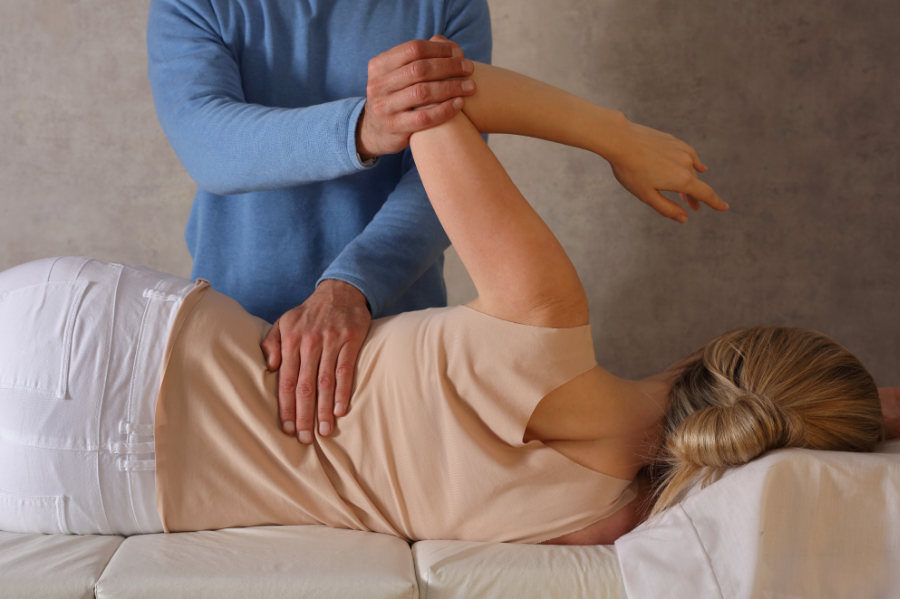
Filed Under: Physical Therapy Tagged With: Myer's Cocktail

What Should I Feel After A Spinal Decompression Session?

September 26, 2023 by Dr. Daniel Hoover

Many people in America suffer from a variety of back pain issues. Frequently, these pains go ignored because we assume it’s not severe, or perhaps you slept incorrectly and it’ll be fine in some time. While this can be the case, there is a possibility that you are putting your spine under too much pressure and compression. If left ignored, these symptoms can continue to worsen until the pain can no longer be ignored.

Spinal decompression is an amazing alternative treatment used to help people manage and treat problems caused by compression of the spinal vertebrae without the need for addictive pain medication or invasive surgery.

Many people put off caring for their back pain. Typically, this is because early pain symptoms are manageable with over-the-counter nonsteroidal anti-inflammatory drugs (NSAIDs) such as Ibuprofen, Naproxen, or Acetaminophen. Ignoring the signs for extended periods it can end up leading to the following:

  • Issues Coordinating
  • Loss of Sensation in the Feet
  • Numbness
  • Weakness in Feet and Hands
  • Nerve Pain
  • Stiffness in the Neck and Back
  • Increased Pain in Neck and Back

Spinal decompression therapy offers hope to those suffering from back and neck pain. We provide a non-surgical approach to manage pain and alleviate the discomfort caused by herniated discs and spinal stenosis.

Today, we’ll review how you should feel after a spinal decompression therapy session.

Benefits of Spinal Decompression Therapy

While spinal decompression therapy can help treat various conditions, including herniated disc and degenerative disc disease, it is also beneficial for general wellness and maintenance of the body, especially for people who work long hours behind the screens of their computers. Many people assume physical labor is a leading cause of spinal compression, and while it can result in back problems, the spine is nearly 30% more compressed when sitting. This is why many office workers have back issues.

Scheduling spinal decompression therapy as a maintenance form can help reduce the possibility of herniating your vertebrae, pinching nerves within the spine, or back pain caused by muscle strain. Spinal decompression therapy can have long-lasting effects without needing painkillers or invasive surgery. 

How is the Spine Decompressed?

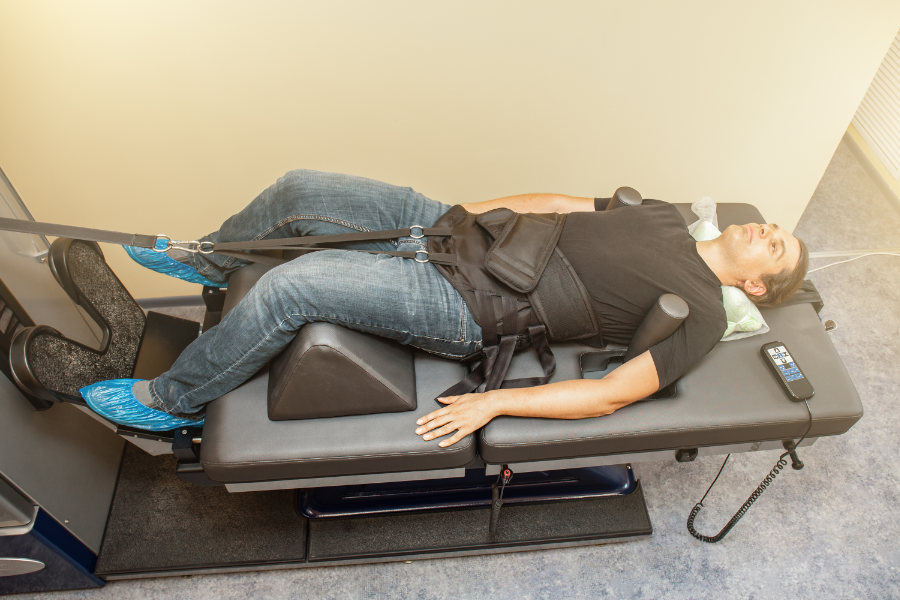
Spinal decompression therapy involves controlled stretching of the spine. This is achieved by fasting the patient on a specialized spinal traction table. It gently stretches and relaxes the spine in intervals to achieve the desired results. Not only does the decompression allow for additional mobility in the spine, but it also helps to relieve tension in the surrounding muscles to help you feel more limber.

Spinal decompression opens up the spine, creating more space within it. This can help manage pain caused by nerve irritation due to spinal compression. The therapy session typically lasts around 30 to 45 minutes.

How Does Spinal Decompression Therapy Feel?

During decompression, you should feel light pulling and pressure on your back. The spinal traction machine will release the pressure when the muscles begin to detect if the muscles are resisting. This will continue until the session ends. You shouldn’t feel any pain during the process. If you do, you should immediately inform the staff member that there is something wrong, as side effects of spinal decompression are rare. These instances are incredibly rare and typically are due to other undisclosed underlying issues.

Once the session is complete, many patients report feeling loose and limber. While some cases may require more than a single visit, there should be no pain once again. If there is pain, you may need to contact your primary care provider for additional testing. Some patients have observed a few reports of soreness, though this minor discomfort doesn’t last very long.

Take the Next Step In Improving Your Health by Contacting SOHMA Integrative Medicine

Our goal is to help you improve your health. You can contact us and ask about the Myers Cocktail, IV Therapy, Chiropractic care, or how our other health service lines can help you with your journey to improved health. 

Located in Long Beach, CA, we help individuals from the surrounding cities.

We look forward to helping you take the next step to better health.

Filed Under: Physical Therapy

What Is Spinal Decompression Good For?

September 19, 2023 by Dr. Daniel Hoover

Every year, millions of Americans suffer from a form of back pain. In some cases, the issues can result from diseases or infections, while in other cases, back pain can be caused by poor posture or lifestyle choices. Many of these issues can be resolved with proper diet, exercise, and stretching; however, some people have hectic schedules and cannot properly manage their back pain.

Spinal decompression therapy has gained recognition for its effectiveness in aiding the recovery of common spinal issues, including back pain, herniated discs, and nerve compression. In some cases, non-surgical spinal decompression therapy can potentially circumvent the need for invasive procedures like surgery.

Join us as we go over what non-surgical spinal decompression therapy is, as well as what its benefits are.

Back Pain Relief

The first issue spinal decompression helps with is managing back pain. Our backs are constantly under pressure, and while we frequently ignore minor back pains, these can develop into severe conditions. Back pain isn’t solely for those who work laborious jobs or lift heavy weights. Your back is 30% more compressed when sitting compared to standing. This is why many office workers also suffer from chronic back pain.

Spinal decompression offers a promising solution for those battling chronic back pain. The patient is secured onto a spinal traction machine. The spinal traction then gently stretches and relaxes your back intermittently to relieve the desired tension. This can not only help you to manage back pain caused by spinal decompression, but it can also help to re-align the vertebrae.

Herniated Discs

Also known as a “slipped disc” or “bulging disc,” a herniated disc is when the soft inner core of a spinal disc is compressed past its limits. This results in that inner core pushing through the tough outer shell. This can cause incredible pain and limit mobility until the issue is resolved. While herniated discs tend to happen in the later adult years, they can also be caused by disease or trauma. 

Unfortunately, early identification of a herniated disc requires some form of medical testing. This is why it’s best practice to prevent the possibility of a herniated disc. However, most people are still determining if they initially have a herniated disc. If you have the following symptoms, you should consider getting checked.

  • Back Muscle Spasms
  • Weakness in your legs
  • Poor Coordination
  • Difficulty Walking
  • Increased Pain When Moving
  • Reduced Control Over Bowel and Bladder Movements

If you believe you have a lifestyle or a job where it’s possible to put too much strain on your spine, you should practice stretches and decompression at home.

Alleviate Nerve Pressure

Nerve pain can result in some of the most debilitating pain in existence. Often described as a shooting, burning, or shocking pain, most people cannot live a normal, healthy life when dealing with nerve pain. Spinal decompression therapy creates space between the vertebrae. This decompression gives nerves freedom so they aren’t irritated by compression within the spine.

Non-surgical spinal decompression therapy also helps to stretch the muscles, which allows them to relax and reduce tension and pressure on nerves in the area. This also encourages nutrient-rich blood flow more freely into the affected areas, promoting natural healing.

Prevents Surgery

While surgery is the last option for spinal issues, it’s sometimes inevitable based on the spine’s damage. Surgery is a hazardous and expensive procedure with long recovery times for most cases involving the spine. Many people are also unable to work during the recovery, resulting in a much more significant expense than the initial cost of the surgery.

It has been shown that spinal decompression therapy can spare patients from undergoing surgery. Conditions such as herniated discs and degenerative disc disease have shown positive results when treated with spinal decompression.

Take the Next Step In Improving Your Health by Contacting SOHMA Integrative Medicine

Our goal is to help you improve your health. You can contact us and ask about the Myers Cocktail, IV Therapy, Chiropractic care, or how our other health service lines can help you with your journey to improved health. 

Located in Long Beach, CA, we help individuals from the surrounding cities.

We look forward to helping you take the next step to better health.

Filed Under: Physical Therapy Tagged With: Spinal Decompression

What Forms of Injury Does Physical Therapy Help With?

May 16, 2023 by Dr. Daniel Hoover

Physical therapy is one of the most successful forms of recovery. With SOHMA winning the 2023 Best of Long Beach reader’s choice for a second year, we’re proud to help you on the road to recovery. Your injury will be evaluated, and we may recommend physical therapy. From there, the physiotherapist will further evaluate your physical condition and medical history to prepare a recovery program. 

However, not all injuries are made equal, and today we’ll go over what kinds of injuries physical therapy can help in recovery.

Sport Injuries

Some of the most common injuries that physical therapy can help with are a result of a sports injury. After suffering a soft tissue injury, you’ll want to protect it from further damage. Try to keep the injury elevated if possible. This can prevent fluids from gathering where you were injured.

  • Ankle Sprain
  • Rotator Cuff Strain
  • Shin Splints
  • Tennis Elbow (tendonitis)
  • Fractures
  • Muscle Tears
  • Ligament Tears

Although not life-threatening or life-altering, these injuries can be uncomfortable and painful. While some of these injuries may require surgery to be fully repaired, physical therapy is still valuable pre and post-surgery. Especially for injuries where muscles or ligaments tear or detach.

Work Injuries

Injuries at work are unfortunate but occur regardless of whether you work at a desk in an office, in a kitchen as a cook, or in construction. Many of the injuries you can suffer at work can result in the same types of injuries caused by sports. That being said, injuries from slipping, falling, overexertion, back pain, and accidents with workplace equipment can still happen and must be taken care of.

It’s very common for jobs where there isn’t a significant variety of movements for workers to deal with injuries from repetitive motion. This is similar to tennis elbow and can cause weakness and pain.

Surgery

Although surgery should be the last option for recovery, it is sometimes inevitable. For these cases, physical therapy is used after many surgeries. Physical therapy is crucial in ensuring the body heals without developing scar tissue for joint replacement, muscles, ligament, or tendon repair, and spinal surgeries. Physical therapy is also used before surgeries to help strengthen the body in preparation. A physical therapist can help you determine when you can safely resume certain activities and go back to work.

Concussions

A concussion occurs when the head receives a blow significantly hard enough to move the brain back and forth inside the skull rapidly. This can happen after a car accident, sports injury, or a slip and fall. Although concussions primarily affect the brain, they are known to cause issues with balance and coordination. Most concussions resolve themselves after a week or two, with no symptoms. If symptoms don’t go away on their own, physical therapy can help regain balance, stability, coordination, and focus.

Radiculopathy (Pinched Nerve)

Pinched nerves can cause severe pain. Depending on the nerve being pinched, it can make daily activities extremely painful or nearly impossible, including sleep. When the space where nerve roots exit the spine becomes narrow, the nerve can become irritated. The sciatic nerve, for example, travels from the lower back through the hips and down each leg. When it is pinched, the pain can make it difficult to walk. Physiotherapists can provide stretches and exercises to alleviate pressure from the nerve. However, there are some cases where surgery may be needed to remove some material.

Take the Next Step In Improving Your Health by Contacting SOHMA Integrative Medicine

Our goal is to help you improve your health. You can contact us and ask about the Myers Cocktail, IV Therapy, Chiropractic care, or how our other health service lines can help you with your journey to improved health. 

Located in Long Beach, CA, we help individuals from the surrounding cities.

We look forward to helping you take the next step in your journey to better health.
Filed Under: Physical Therapy

How Long Does Physical Therapy Usually Last?

March 17, 2023 by Dr. Daniel Hoover

Senior man after stroke at nursing home exercising with professional physiotherapist

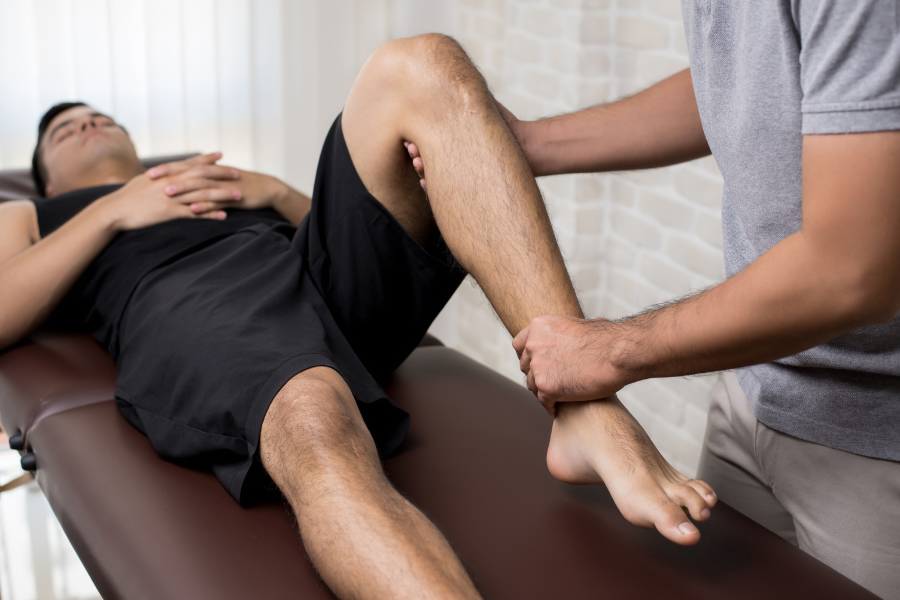
Physical therapy is a treatment used to aid in the recovery of various conditions and injuries. It uses different forms of passive mobilization, facilitated stretching, therapeutic massages, electrotherapy, ultrasound therapy, and targeted exercises to help muscle imbalance re-education aimed at a full recovery to prevent further injury and pain.

All body parts can be treated with physical therapy. Every case is different, and some patients may feel there isn’t progress. This isn’t true, as physical therapy often has minor improvements that are not immediately noticed. For significant injuries, it can take numerous months before treatment ends. Many patients might be under the impression that it may not be worth the time needed.

Today we’ll review how long physical therapy lasts and when to know your body is ready to stop.

What does Physical Therapy Treat?

As previously stated, physical therapy can aid in the recovery of nearly every body part and injury to a certain extent. For example, after a bone breaks, it needs to remain immobilized in a cast while the bone heals. After the bone is repaired, you’ll need to strengthen the muscle around it to not re-injure the healed bone. Other conditions physical therapy can treat include:

  • Muscle sprains
  • Muscle tears
  • Tendonitis
  • Bone Fractures
  • Post Surgery Recovery
  • Carpal Tunnel Syndrome

As well as several other conditions. When recovering from injuries, physical therapy is one of the most common forms of treatment, often avoiding surgery altogether. Though some situations may still require surgery, physical therapy can help you develop supporting muscles to help with post-surgery recovery. After surgeries, physical therapy is used to help reduce swelling and inflammation caused by the surgery. Some patients fear that physical therapy can cause more pain, which is generally untrue as physical therapy is designed with your current conditions in mind.

How Long Does Physical Therapy Last?

There’s no exact metric for this. Physical therapy can take months to recover fully. Every patient will have a unique program based on strengths and weaknesses to help their specific condition. Other factors include lifestyle, physical condition, age, and mindset.

Although there is no accurate number for calculating how long your physical therapy treatment will take, there are general time frames you can consider. Minor injuries can be treated with as little as 2 or 3 sessions. Injuries in the tendons and muscles may take 1 to 2 months. At the same time, chronic conditions and serious injuries can take much longer. For example, patients who undergo ACL reconstruction surgery may be required to do physical therapy for up to 6 months before regaining the full range of motion needed to relieve knee pain and strengthen the joint.

Post Treatment

Once you’ve recovered and reached the end of your physical therapy program, your therapist will give you additional instructions for using what you learned during the sessions in your day-to-day life. However, no longer part of physical therapy itself. Some of these instructions are meant for you to keep strengthening the injury and ways to ease back into activities that put some strain on the treated area. This can include stretches, exercises, and rules to avoid pain and re-injuring yourself.

Take the Next Step In Improving Your Health by Contacting SOHMA Integrative Medicine

Our goal is to help you improve your health. You can reach out to us and ask about the Myers Cocktail, IV Therapy, Chiropractic care, or how our other health service lines can help you with your journey to improved health. 

Located in Long Beach, CA, we help individuals from the surrounding cities.

We look forward to helping you take the next step in your journey to better health.
Filed Under: Physical Therapy Tagged With: Physical Therapy, sohma, SOHMA Interactive Medicine

  • Page 1
  • Page 2
  • Go to Next Page »

Footer

Contact Us

SOHMA Integrative Medicine – Long Beach

Email
drdanielhoover@sohma.org

Follow Us on Instagram Instagram


WCAG

The Web Content Accessibility Guidelines (WCAG) defines requirements for designers and developers to improve accessibility for people with disabilities for websites, such as for SOHMA Integrative Health Center. It defines three levels of conformance: Level A, Level AA, and Level AAA. SOHMA is partially conformant with WCAG 2.1 level AA. Partially conformant means that some parts of the content do not fully conform to the accessibility standard.

Our goal here at SOHMA is to make our website accessible to all visitors; unfortunately, our goal for 100% accessibility is not yet complete. Our goal is to provide universal access to our website by following WCAG 2.0 (current WCAG 2.1) A, AA guidelines; however, this will be a work in progress.

Feedback

We welcome your feedback on the accessibility of SOHMA’s website. Please let us know if you encounter accessibility barriers on our website. We are here to help. You can reach us below at:

Phone: (562) 420-2112
E-mail: accessibility@sohma.org
Postal address: 4195 N. Viking Way, Long Beach, CA 90808
We try to respond to feedback within 5 business days.

SOHMA Integrative Medicine

Connect With Us

VA Authorized

SOHMA Integrative Medicine | Privacy Policy | Copyright © 2026

Designed by ITSOPRO