• Skip to main content
  • Skip to footer

SOHMA Integrative Medicine

We offer the best of Eastern & Western medicine without using drugs or surgery

  • Tai Chi
    • Tai Chi Benefits
    • Tai Chi Instructors
    • Online Tai Chi Certification Program
  • Physical Medicine
    • Chiropractic Care
      • VA Authorized Care
      • Sports Medicine
      • Digital X-Rays
    • Physiotherapy
    • Spinal Decompression
    • Laser Therapy
    • Shockwave Therapy/Piezowave
    • Cupping Therapy
    • Acupuncture
    • Herbal Pharmacy
    • VA Authorized Care
  • Blogs
  • About
    • Our Providers
  • Contact Us
    • Make an Appointment
    • New Patient Intake Forms

Diabetic Tingling

What is Peripheral Neuropathy?

March 1, 2022 by Dr. Daniel Hoover

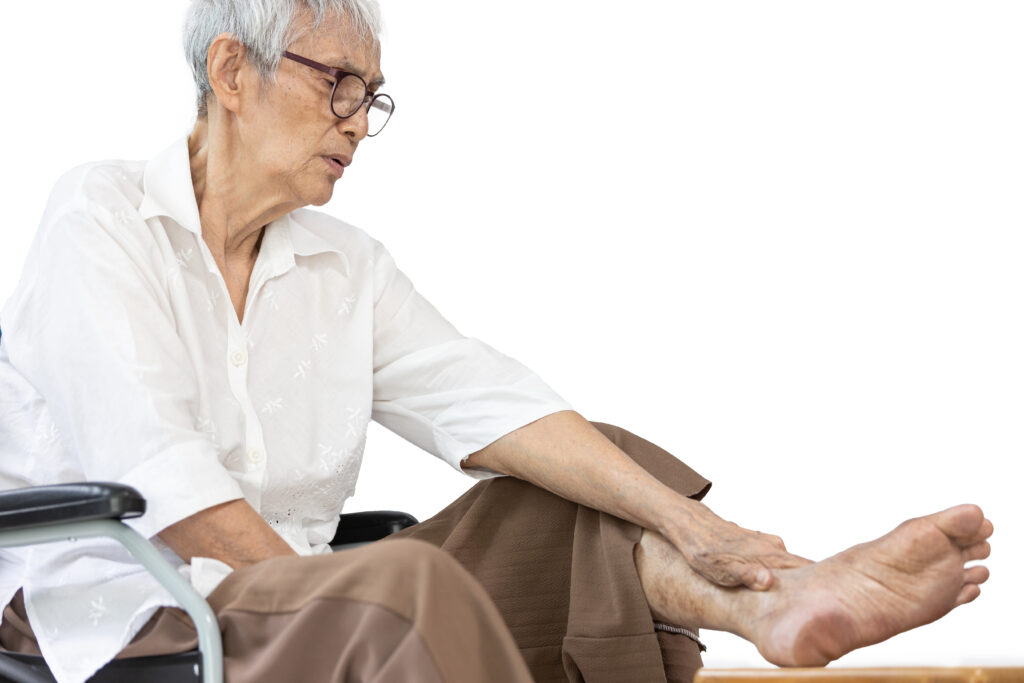
Asian senior woman massaging ankle and feet,old elderly had beriberi,cramp,numbness in her feet,sore toe joints,peripheral neuropathy disease,pain and swelling in the ankle bone,leg muscle weakness

In short, nerve damage.

But what causes Peripheral Neuropathy? How can you tell when you are suffering from it? How serious can this be? We’ll answer these questions as well as what kind of help is there if you are suffering from Peripheral Neuropathy and when you should consider seeing your primary care provider if you suspect you may be suffering from Peripheral Neuropathy.

Causes of Peripheral Neuropathy

Peripheral Neuropathy is a common condition that affects over 3 million people in the US every year. And with a varied source of causes, finding out what the underlying condition is important to your case of Peripheral Neuropathy. Some of the causes include:

  • Autoimmune diseases – such as Lupus, Arthritis and Vasculitis
  • Diabetes
  • Viral Infection
  • Tumors
  • Liver Disease
  • Hypothyroidism
  • Alcoholism 
  • Poor Dietary Choices
  • Medication
  • Injury or Trauma
  • Vitamin deficiencies

Understanding the root cause is half the battle. Managing what causes Peripheral Neuropathy can mitigate further damage to your nerves. In some cases a cause can not be identified which can make it harder for you or your doctor to identify whether or not you are suffering from this condition.

Symptoms of Peripheral Neuropathy

The list of symptoms is as diverse as its causes. Some people may be suffering from it and show now symptoms while others can manifest some of the most debilitating pain imaginable, some symptoms include:

  • Numbness
  • Poor Balance
  • Tingling fingers, toes and feet
  • Slow reflexes
  • Cramping
  • Feeling of Pins and Needles in Hands and Feet
  • Sensitivity to Pain
  • Pain

These symptoms unfortunately can occur commonly with everyday events, sitting awkwardly can cause numbness and pins and needles. Lack of sleep can cause you to have slow reflexes and poor balance while dehydration can cause cramping. Getting checked regularly can help you to identify the root cause of these symptoms. Which can ultimately save you from further damage if ignored.

Severity of Peripheral Neuropathy

As uncomfortable as suffering from peripheral Neuropathy can be, it’s rarely a life threatening condition. People suffering from Peripheral Neuropathy can have problems eating as their digestive tract can swell or go numb. If left unchecked for long periods of time symptoms can become worse and damage to the nerves can become permanent.

With early detection of the root cause of Peripheral Neuropathy treatment to the damaged nerves can be halted. With proper care damage to the nerves can be reversed, mobility can be regained and senses normalized.

When to See your Primary Care Provider

Many symptoms linked with Neuropathy are also commonly linked with other ailments. Because of this it is difficult to judge whether or not your symptoms will disappear on their own or if you should seek your primary care provider. However, my recommendation would be if at any point you begin to suffer some or any of the symptoms of Peripheral Neuropathy on a regular basis, that may be the sign that there may be an underlying condition that you may not be aware of. This would be the appropriate time to ask your primary care provider if you are suffering from a form of Neuropathy.

Treatment

Treatment for Peripheral Neuropathy depends on the amount of damage sustained by the nerves. In some cases a simple change in diet and more active lifestyle is all you need in order to begin recovery from Peripheral Neuropathy. More serious cases may require a little bit more help to heal the damaged nerves.

At SOHMA Integrative Medicine in Long Beach CA we now offer regenerative cellular tissue therapy, which may be covered by Medicare. Regenerative cellular tissue therapy can be helpful in reducing pain that is caused by Peripheral Neuropathy as well as assisting in the regeneration of damaged nerves.

Tai Chi is a great way to stay active while not stressing your body. Feel free to ask the helpful staff at SOHMA about our free Tai Chi classes. 

Take the Next Step In Improving Your Health by Contacting SOHMA Integrative Medicine

Our goal is to help you improve your health. You can reach out to us by calling us at 562-408-1140 or filling out the contact form and ask us about the Myers Cocktail, IV Therapy, Chiropractic care, or how our other health service lines can help you with your journey to improved health. 

Located in Long Beach, CA we help individuals from the surrounding cities.

We look forward to helping you take the next step in your journey to better health.
Filed Under: Therapy Tagged With: Diabetic Tingling, Extremities Pain, Pain Management, peripheral neuropathy, sohma, SOHMA Interactive Medicine, SOHMA Interactive Medicine Pain

Is Peripheral Neuropathy a Serious Condition?

January 18, 2022 by Dr. Daniel Hoover

Although peripheral neuropathy is rarely a life threatening condition, it is possible that it may lead to life altering disabilities depending on the amount of damage suffered. With early detection you can minimize the long term effects of this condition. When left alone long term problems can vary from a minor tingling sensation to loss of mobility to the limbs affected by the damaged nerves.

Today we’ll explore the causes and symptoms of Peripheral Neuropathy. The potential severity of the condition, as well as what can be done to alleviate and in some cases completely reverse the damage.

What is Peripheral Neuropathy?

Peripheral Neuropathy is the result of damage done to nerves around the outside of the brain and spinal cord. This damage can be caused by a variety of reasons, some of the more common ones include Diabetes, Tumors, Inherited Disorders or Autoimmune diseases like:

  • Lupus
  • Rheumatoid Arthritis
  • Vasculitis

Other causes can include:

  • Alcoholism
  • Exposure to Toxins
  • Medication
  • Vitamin Deficiency
  • Injury or Trauma

What are the Symptoms of Peripheral Neuropathy?

The symptoms of Peripheral Neuropathy are as varied as it’s causes. Some of the main symptoms include pain around the affected nerves, sensory issues like numbness or sensitivity to heat, or autonomic nervous system issues like loss of balance or difficulty walking.

Pain

The intensity and location of the pain can differ, on the lower end you can feel a tingling pain at your limbs, back and face that comes and goes. This usually is just irritating but can worsen if symptoms are ignored. On the more intense end you can also feel burning or sharp pain at the end of your limbs, back and face. You may also suffer cramping which can cause difficulty walking. Occasionally the pain can be more significant at night though this differs from individual to individual.

Sensory Issues

Much like when your leg falls asleep during long periods of time sitting down, you can have an uncomfortable feeling of pins and needles in your arms or legs, as well as burning sensations. It is also possible to become over sensitive to pain or reduce the sensation to your sense of touch. You may occasionally notice a loss of balance and slowed reflexes.

Autonomic Nerve Issues

The autonomic nerves are the nerves that control functions such as blood pressure, heart rate, perspiration and digestion. If these nerves are the ones affected, symptoms may include the inability to sweat in order to cool you down, or to sweat an unreasonable amount while doing everyday normal activities. You may also suffer from bowel, bladder or digestive issues such as stomach aches or loss of control of your bowels. In more serious cases it may cause lightheadedness or dizziness due to drops in blood pressure or heart rate.

What Can Be Done?

Due to the potential of permanent damage, Peripheral Neuropathy can cause it is important to be aware of early signs as well as what the underlying causes can be. Early diagnosis and treatment can provide the best chances of not only controlling your symptoms but preventing further damage to your peripheral nerves.

At SOHMA Integrative Medicine in Long Beach CA we now offer regenerative cellular tissue therapy, which may be covered by Medicare. Regenerative cellular tissue therapy can be very helpful in reducing some of the pain that comes with Peripheral Neuropathy as well as aiding in healing and regeneration of some of the damaged nerves.

Take the Next Step In Improving Your Health by Contacting SOHMA Integrative Medicine

Our goal is to help you improve your health. You can reach out to us and ask us about the Myers Cocktail, IV Therapy, Chiropractic care, or how our other health service lines can help you with your journey to improved health. 

Located in Long Beach, CA we help individuals from the surrounding cities.

We look forward to helping you take the next step in your journey to better health.

Filed Under: Therapy Tagged With: Diabetic Tingling, peripheral neuropathy, sohma, SOHMA Interactive Medicine, SOHMA Long Beach

Footer

Contact Us

SOHMA Integrative Medicine – Long Beach

Email
drdanielhoover@sohma.org

Follow Us on Instagram Instagram


WCAG

The Web Content Accessibility Guidelines (WCAG) defines requirements for designers and developers to improve accessibility for people with disabilities for websites, such as for SOHMA Integrative Health Center. It defines three levels of conformance: Level A, Level AA, and Level AAA. SOHMA is partially conformant with WCAG 2.1 level AA. Partially conformant means that some parts of the content do not fully conform to the accessibility standard.

Our goal here at SOHMA is to make our website accessible to all visitors; unfortunately, our goal for 100% accessibility is not yet complete. Our goal is to provide universal access to our website by following WCAG 2.0 (current WCAG 2.1) A, AA guidelines; however, this will be a work in progress.

Feedback

We welcome your feedback on the accessibility of SOHMA’s website. Please let us know if you encounter accessibility barriers on our website. We are here to help. You can reach us below at:

Phone: (562) 420-2112
E-mail: accessibility@sohma.org
Postal address: 4195 N. Viking Way, Long Beach, CA 90808
We try to respond to feedback within 5 business days.

SOHMA Integrative Medicine

Connect With Us

VA Authorized

SOHMA Integrative Medicine | Privacy Policy | Copyright © 2026

Designed by ITSOPRO