• Skip to main content
  • Skip to footer

SOHMA Integrative Medicine

We offer the best of Eastern & Western medicine without using drugs or surgery

  • Tai Chi
    • Tai Chi Benefits
    • Tai Chi Instructors
    • Online Tai Chi Certification Program
  • Physical Medicine
    • Chiropractic Care
      • VA Authorized Care
      • Sports Medicine
      • Digital X-Rays
    • Physiotherapy
    • Spinal Decompression
    • Laser Therapy
    • Shockwave Therapy/Piezowave
    • Cupping Therapy
    • Acupuncture
    • Herbal Pharmacy
    • VA Authorized Care
  • Blogs
  • About
    • Our Providers
  • Contact Us
    • Make an Appointment
    • New Patient Intake Forms

herbal therapy

 What can an Herbalist Help With?

September 5, 2022 by Dr. Daniel Hoover

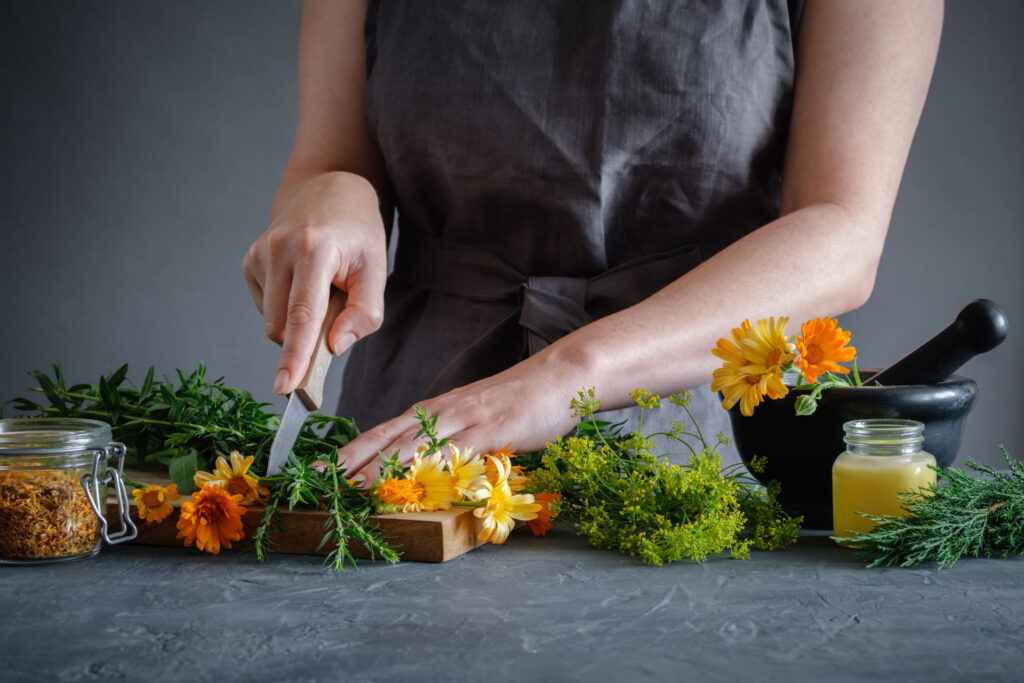
Herbalists prepare specific recipes tailored to you.

To first understand what an Herbalist can help with, first we need to understand what an Herbalist is.

Simply put, an Herbalist uses herbs to help treat different kinds of conditions, ailments and their symptoms. Herbalists attempt to find the root cause of illness. Practitioners will often choose herbs based on the symptoms or ailments a patient describes during the consultation. They will also perform a clinical exam, inspecting certain areas of the body and create a personalized prescription. 

An Herbalist’s knowledge cannot be understated. Join me as we go through what an Herbalist can help with as well as how an herbalist can help.

Herbs for Treatment?

Yes! 

Herbal medicine is one of the oldest forms of medicine still used today. In recent years the popularity of herbal medicine has increased due to it being more affordable and easier to obtain compared to conventional medicine. In many cases, herbal medicine may have fewer and milder side effects. Some of the most common beneficial herbs can be purchased at your local supermarket such as chamomile, turmeric, peppermint, lavender and ginseng. Though we highly recommend you have a conversation with a professional Herbalist before attempting to treat your symptoms on your own. 

Why Consult an Herbalist?

In today’s age of computers and smartphones it’s easy to have the misconception that you have all the answers at the palm of your hand. Although this can be true in some cases, we believe you shouldn’t take that risk when it comes to your health. An Herbalist specializes in treating patients with natural herbs. They understand how herbs help with your condition. And more importantly they can tell you what herbs not to use.

Like all medicines, herbal medicine may have some side effects. It’s an Herbalist’s job to talk with you and understand what medicine you may already be taking. Whether it is other herbal medicine or pharmaceuticals prescribed from your doctor. An herbalist can help you understand that some herbs can have heightened side effects when combined with a prescription treatment from your doctor.

Some examples include; if you are on some contraceptives you should avoid supplements that contain St. John’s wort. St. John’s wort is commonly used as a mild antidepressant, but when used with contraceptives can cause irregular bleeding or an unplanned pregnancy. Ginkgo biloba is a natural anti-inflammatory commonly used to treat arthritis and migraines. Using it with other blood-thinners like warfarin or aspirin can lead to an increased risk of bleeding.

Laxed Regulation on Herbal Medicine

Unlike pharmaceuticals, herbal medicine does not have strict inspections for safety or efficacy. The herbal supplements we carry at SOHMA are hand-picked and held to the highest standards of quality and reliability. With the increased use of herbal medicine and supplements, it’s unfortunate that there is a lack of regulation for herbal medicine. Many companies out there are just in it to make a quick buck and aim to take advantage of less fortunate people. Lack of dosage instructions for claimed effects may not be property stated and unknown growing and processing conditions can result in contaminated or diluted products. This makes it difficult for consumers to reliably purchase high quality products. Herbalists can help filter out much of the unwanted herbal medicine on the market.

Although herbal remedies are natural, you should also talk to your primary care provider to let them know you’re looking to treat your conditions with herbal medicine. Understand that herbal medicine is used to attempt to treat the root cause of your condition and typically will work slower compared to conventional pharmaceuticals.

Take the Next Step In Improving Your Health by Contacting SOHMA Integrative Medicine

Our goal is to help you improve your health. You can reach out to us and ask us about the Myers Cocktail, IV Therapy, Chiropractic care, or how our other health service lines can help you with your journey to improved health. 

Located in Long Beach, CA we help individuals from the surrounding cities.

We look forward to helping you take the next step in your journey to better health.
Filed Under: Herbs Tagged With: Herbal medicine, herbal pharmacy, Herbal Preparation, herbal therapy, Herbs, SOHMA Interactive Medicine, SOHMA Interactive Medicine Pain, SOHMA Long Beach

What are the 7 Holy Herbs?

July 27, 2022 by Dr. Daniel Hoover

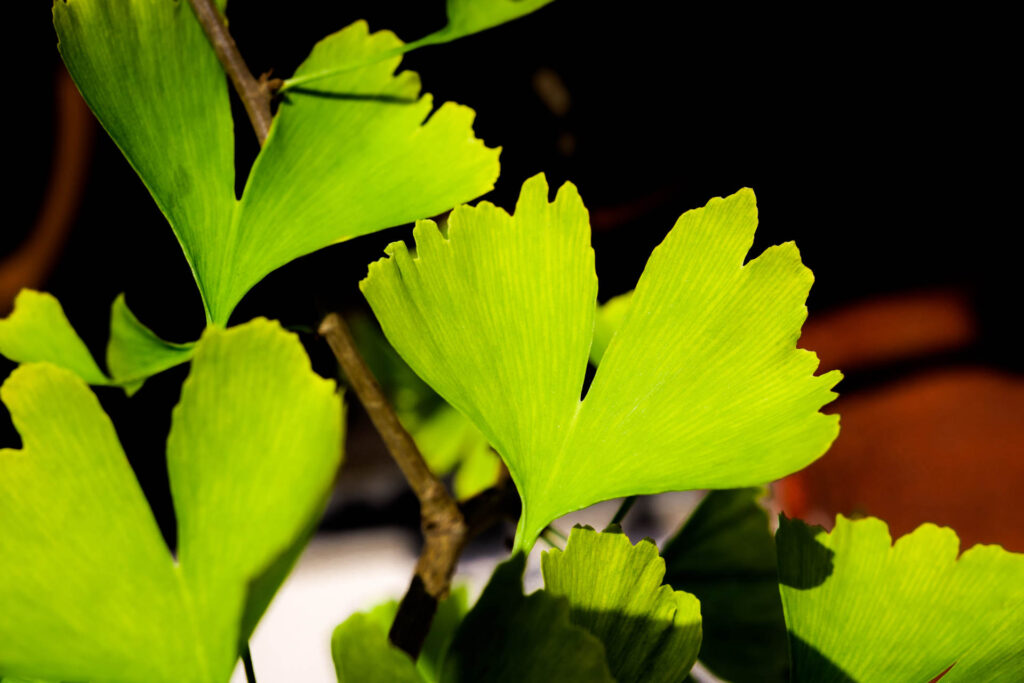
Gingko Biloba is a potent and ancient herb that has helped people for thousands of years.

Herbal remedies and medicine have been used in human history for thousands of years. Regardless of the advancements of pharmaceuticals in modern times, the popularity of herbal supplements and remedies has increased due in part to their affordability and accessibility compared to conventional medicines. 

Join me as we explore 7 of the most commonly used herbs in herbal supplements and remedies, their benefits, and any safety concerns that may be relevant.

Ginkgo Biloba 

Also known as maidenhair, the ginkgo biloba is a tree native to China. Although in the past the leaves and seeds were used in traditional Chinese medicine, only the leaves are used in ginkgo extract now.

Ginkgo biloba contains powerful antioxidants which help fight free radicals. Free radicals are highly reactive particles commonly produced by the body when converting food to energy. Ginkgo can help reduce and fight inflammation caused by many conditions including arthritis, irritable bowel disease, and heart disease. The anti-inflammatory properties in ginkgo have also been used to help treat:

  • Anxiety
  • Depression
  • Migraines
  • Headaches
  • Respiratory diseases like asthma

Overall the risk associated with ginkgo biloba is low for most adults, however, if you are allergic to plants containing alkylphenols it may cause harm. Common side effects of ginkgo include:

  • Nausea
  • Diarrhea
  • Headaches
  • Stomach Pain
  • Dizziness
  • Allergic Reaction

Ginkgo can have adverse reactions with NSAIDS (ibuprofen, aspirin, naproxen), antidepressants, and blood thinners. Consult your primary care provider before using ginkgo if you’re currently using these medications.

Echinacea 

A native North American plant, echinacea was used by the natives. Many people believe the roots of the echinacea have the most potent effects through the leaves and flowers are also used.

Echinacea is primarily used to prevent the common cold. It’s also used to treat cold and flu symptoms. It’s usually drunk as a tea or supplement; it can also be applied topically.

Echinacea is considered safe for most adults though common side effects include nausea, stomach irritation, skin rash, or allergic reaction.

St. John’s Wort

St. John’s wort’s uses can have been traced back to ancient Greece. It was used to aid in healing wounds, and relieve insomnia, depression, and lung and kidney conditions.

Today St. John’s wort is generally used to treat varying cases of depression. Some studies show short-term use of St. John’s wort may be as effective as some current antidepressants.

St. John’s wort has many interactions with modern medicines including birth control, antidepressants, blood thinners, and pain medications. St. John’s wort should only be used under the guidance of your primary care provider as some drug interactions could lead to harmful conditions.

Ginseng

The ginseng root is typically used in traditional Chinese medicine to increase energy, reduce inflammation and boost immunity and brain functions. The root is traditionally steeped to make tea or dried to make powder.

Ginseng has anti-inflammatory properties and is an antioxidant. Ginseng may help protect against oxidative stress and can help reduce inflammation. And is still used to increase energy levels and fight tiredness.

For adults, ginseng appears to be safe but can cause mild nervousness and insomnia. Though people taking diabetes medicine should monitor their blood sugar levels carefully to make sure levels don’t go too low when using ginseng.

Garlic

The common garlic you can purchase at the grocery store has been used in herbal medicine for thousands of years. Used for cooking and its potential health benefits, garlic has been taken to prevent and treat many different conditions.

At present, garlic can be used to aid with conditions linked to the heart and the circulatory system including:

  • High Cholesterol
  • Heart Attack
  • Hypertension
  • Heart Disease

Though commonly consumed in foods, garlic when taken as an herbal supplement may increase the risk of bleeding.

Ginger

Much like garlic, ginger has been used as an ingredient in food and in medicine. Originally from Southeast Asia, Ginger is among one of the healthiest plants out there. Ginger contains high amounts of gingerol, which has strong anti-inflammatory and antioxidant properties.

Ginger has been used to aid with symptoms of the following:

  • Nausea
  • Arthritis
  • Heart Disease
  • Asthma

Ginger rarely causes side effects, though if consumed in large doses it can cause diarrhea or heartburn.

Chamomile

Native to Europe and Western Asia, Chamomile is a white flower in the daisy family. For thousands of years, chamomile was used to help treat fevers, headaches, kidney, liver, and bladder conditions, and many others.

Currently, chamomile is steeped to make tea to help with insomnia, anxiety, and indigestion. Some people use chamomile topically to reduce skin irritations and promote healing wounds though not enough research has been done for a conclusive answer.

For most adults, side effects are rare; however, if you are allergic to ragweed and chrysanthemum you may be allergic to chamomile. Chamomile contains a naturally occurring chemical with a similar effect to blood thinners. Talk to your primary care provider if you are taking blood thinners as too much chamomile can have an adverse reaction.

Although herbal remedies are natural, you should always consult with your primary care provider and herbal pharmacist before using herbal supplements as they’ll have a better understanding of how some herbs can react to your body or other medication you may be using.

Take the Next Step In Improving Your Health by Contacting SOHMA Integrative Medicine

Our goal is to help you improve your health. You can reach out to us and ask us about the Myers Cocktail, IV Therapy, Chiropractic care, or how our other health service lines can help you with your journey to improved health. 

Located in Long Beach, CA we help individuals from the surrounding cities.

We look forward to helping you take the next step in your journey to better health.
Filed Under: Herbs, Therapy Tagged With: Herbal medicine, herbal pharmacy, herbal therapy, sohma herbal therapy, SOHMA Interactive Medicine, SOHMA Long Beach

4 Potential Disadvantages of Herbal Medicine

June 30, 2022 by Dr. Daniel Hoover

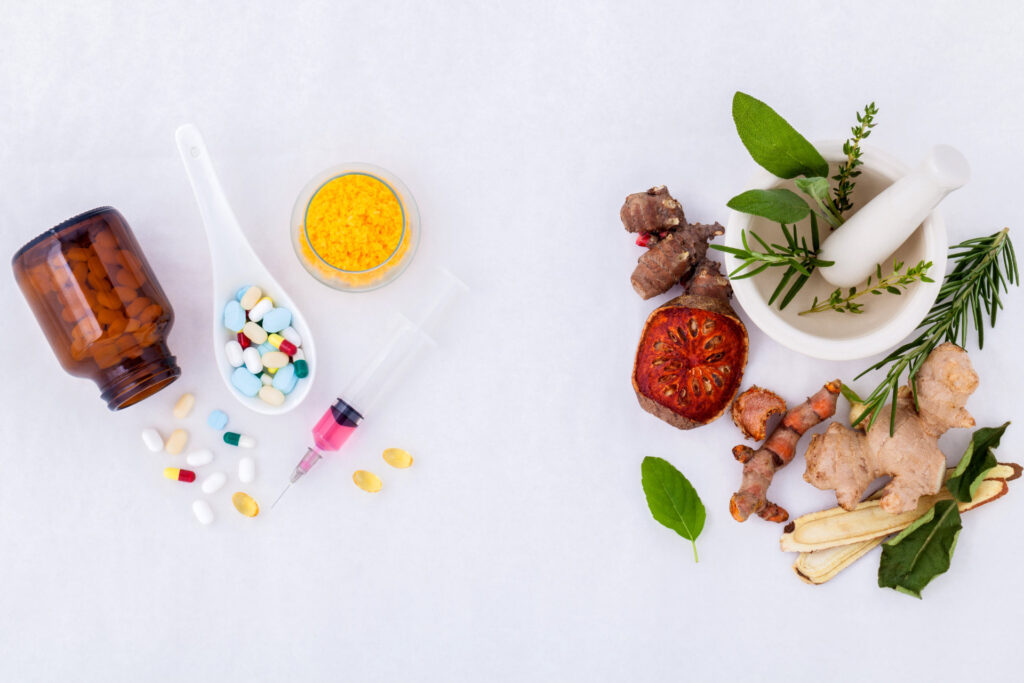
Herbal medicine is an alternative treatment for common ailments. When used correctly it can alleviate many pains but always use them under supervision.

Just because something is natural or is derived from a natural source like a plant doesn’t always mean it is safe for consumption. You can accidentally give yourself serious health problems if you are careless. There are always some precautions you should take before buying or consuming herbal medicine.

 SOHMA recommends, that anyone who is looking to add herbal supplements or remedies as part of their health program should consult with medically trained professionals to mitigate risks. Today we’re going to go over the potential disadvantages of herbal medicine and how to avoid those shortcomings.

Adverse Interactions with Pharmaceuticals

This applies to those who have to take prescribed medicines. Many times it’s difficult to understand how some herbal medicines react with medicines that have been prescribed by a primary care provider. Feel free to ask the helpful staff at SOHMA Integrative Medicine in Long Beach CA any questions regarding how our herbal supplements may interact with any prescribed medicine you may be taking. Before deciding on a herbal medicine healing program, consult with your herbal pharmacist and primary care provider to reduce the risk of adverse interactions between your medications and herbal supplements.

The interactions between herbal medicine and pharmaceuticals may seem insignificant to some, and in many cases, it can be. Though when pharmaceuticals and herbal medicine share similar side effects it can cause side effects to exhibit worse symptoms. Examples of adverse interactions are with St. John’s wort, which is commonly used to help treat depression and menopausal symptoms, when taken with contraceptive drugs can cause in irregular bleeding or unplanned pregnancy. Or if you are taking blood-thinning medication like warfarin or aspirin you should try to avoid cranberry and ginkgo biloba as they can increase the risk of bleeding.

Lack of Regulation

With the growing use of herbal medicines, the lack of or eased regulations for herbal medicine makes it difficult for consumers to reliably buy safe herbal medicine. The herbal supplements we carry at SOHMA are held to the highest standards of quality and reliability. Unlike traditional pharmaceuticals, herbal medicine does not have as strict an inspection for safety or efficacy. There exist many companies that are just in it for themselves and take advantage of less fortunate people. The lack of dosage instructions required for claimed effects may not be properly stated. Unknown growing and processing conditions can result in a contaminated or diluted product.

It is extremely important to only purchase from reputable sources which are known for working efficiently and have a history of producing quality products.

Unknown Side-effects

Due to the previously stated lack of regulation with herbal medicine and supplements, herbal medicine can cause side effects that patients may not be aware of. Side effects can include the following:

  • Rashes
  • Difficulty Breathing
  • Headaches
  • Dizziness
  • Agitation
  • Dry Mouth
  • Fatigue
  • Tachycardia (increased heart rate)
  • Nausea
  • Vomiting
  • Diarrhea

Severe side effects have been reported as well including liver damage and seizures. Because of this we cannot stress enough to buy from a reputable source. Consider new symptoms as potential side effects from herbal medicine and communicate with your primary care provider and herbal pharmacist to discuss how to proceed.

Slower Healing than Pharmaceuticals

The time required to see results is varied though usually, it’s much slower than pharmaceuticals. Herbal medicine and supplements work to resolve and heal the root cause of the problem which takes time. Herbal medicines have amazing healing capabilities but are not as effective in dealing with emergency situations.  Many over-the-counter pharmaceuticals repress a bodily function that triggers symptoms of diseases or infections. Herbal medicine takes more time because it is attempting to heal the root cause of your condition.

Take the Next Step In Improving Your Health by Contacting SOHMA Integrative Medicine

Our goal is to help you improve your health. You can reach out to us and ask us about the Myers Cocktail, IV Therapy, Chiropractic care, or how our other health service lines can help you with your journey to improved health. 

Located in Long Beach, CA we help individuals from the surrounding cities.

We look forward to helping you take the next step in your journey to better health.
Filed Under: Herbs Tagged With: Herbal medicine, herbal pharmacy, herbal therapy, sohma herbal therapy, SOHMA Interactive Medicine, SOHMA Long Beach

What are The Top 10 Herbal Medicines

May 27, 2022 by Dr. Daniel Hoover

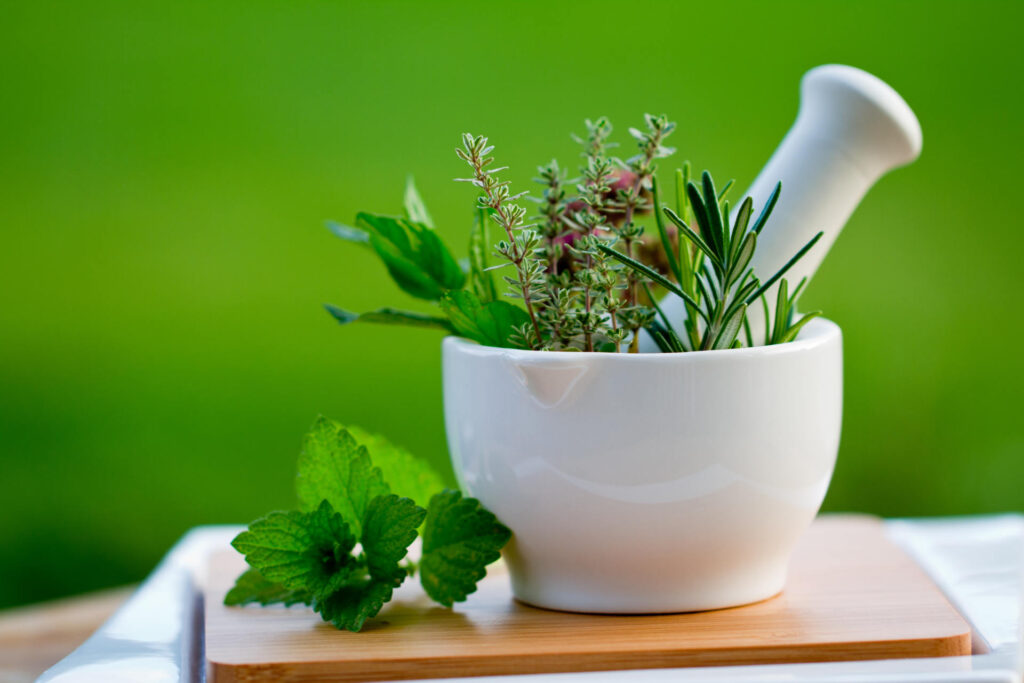
Herbal medicine has been around for centuries and are the building blocks to modern medicine.

Herbal medicines are the oldest remedies used by people. For a long time, modern pharmaceuticals pushed herbal medicines to the wayside, but recently there has been an increase in popularity for herbal medicines again. The reason being is they are more affordable and easier to obtain than typical pharmaceutical medicine. 

Herbal medicine is typically safe to consume but we at SOHMA Integrative Medicine of Long Beach CA recommend you consult a professional herbalist in assisting you when looking for extensive treatment. As they will be knowledgeable in what herbs can negatively counteract with each other, or other medicines you may be taking. 

Join us, as we talk about 10 herbs with medicinal properties that can be helpful in reducing pain, recovery and healing.

Garlic

Garlic has been used in cooking for as long as it has been used as a herbal remedy. Garlic has been used as a supplement for conditions associated with heart and blood vessels. Commonly used in patients with high blood pressure and high cholesterol. The topical use of garlic may be effective at healing wounds, reducing scarring, and skin rejuvenation.

Peppermint

Also known as water mint or spearmint is a common plant in North America. The leaves and oil of the peppermint plant have been used to help with irritable bowel syndrome (IBS) among other digestive problems. It has been used to reduce symptoms of the common cold and headaches. The oil in peppermint can be applied to the skin to help with joint and muscle pain as well as itching. In aromatherapy peppermint oil has been used for treating the common cold, improving mental function and reducing stress.

Echinacea

Echinacea is a native flower with nine known species in North America. Natives used echinacea for thousands of years as medicine. It is used as a supplement for the common cold and other infections as it may promote and boost your immune system.

Dandelion

The humble dandelion thought by most to be an unwanted weed actually has several uses. All parts of the dandelion are edible. The root of the dandelion can be roasted and used as a coffee substitute for people who are sensitive to caffeine. In tea, the flowers and leaves act as a diuretic that can be used for digestive problems.

Valerian

Native to Europe and Asia, valerian is a flowering plant that has historically been used as medicine. Valerian has been used as a supplement to help with insomnia, anxiety, and other mental health conditions. It has also been known to help with premenstrual syndrome (PMS) and symptoms of menopause.

Lavender

Lavender has a beautiful aroma that the ancient Romans used to clean and wash. Today Lavender’s fragrance is used in soaps and cosmetics. Its use in aromatherapy and as a supplement can help with anxiety, depression and digestive conditions.

Ginger

Known as one of the best superfoods, in Asia ginger has been used as a medicine for more than 1,500 years. As a supplement ginger has been known to help with nausea and vomiting linked with pregnancy. Ginger supplements may also be helpful with menstrual cramps. It also contains high nutritional density per portion. It also contains antiviral, antibacterial and anti-inflammatory properties.

Green Tea

Green tea has been used in China and Japan for medicinal purposes for thousands of years. The tea contains caffeine, so it can be used to retain alertness and can be used as a substitute for coffee. Green tea has been used to relieve digestive symptoms and headaches. It may also provide positive effects on weight loss and liver disorders.

Cinnamon

Used for thousands of years as a spice, cinnamon has been used in traditional herbal medicine in places like China, India and the middle east. Cinnamon supplements are used for upset stomach, diarrhea and gas, and can also be used to stimulate appetite. Cinnamon tea is also used to reduce symptoms caused by the common cold.

Aloe Vera

A cactus-like plant, aloe vera has been used topically for skin conditions. Aloe vera has been used to reduce itching, acne and soothe sunburns. Research suggests aloe gel may speed up the healing of burns as well.

Take the Next Step In Improving Your Health by Contacting SOHMA Integrative Medicine

Our goal is to help you improve your health. You can reach out to us and ask us about the Myers Cocktail, IV Therapy, Chiropractic care, or how our other health service lines can help you with your journey to improved health. 

Located in Long Beach, CA we help individuals from the surrounding cities.

We look forward to helping you take the next step in your journey to better health.
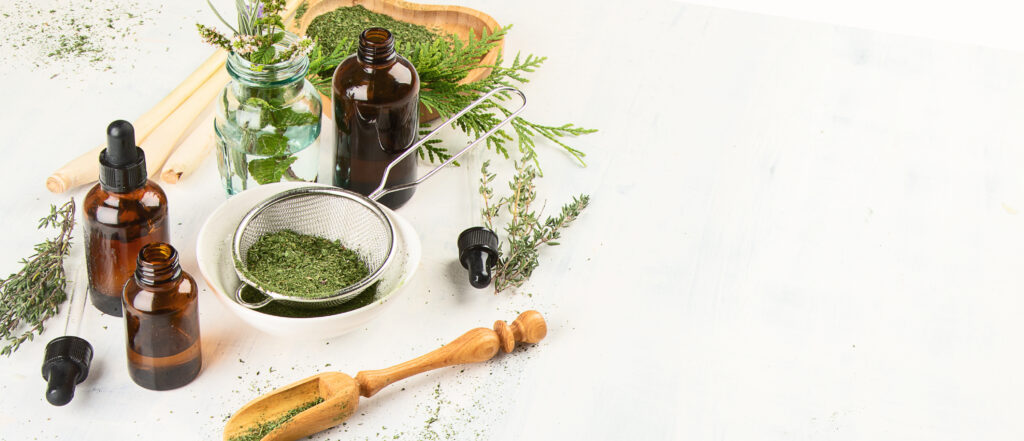
Filed Under: Herbs, Therapy Tagged With: herbal pharmacy, herbal therapy, lakewood herbal therapy, long beach herbal therapy, sohma herbal therapy, SOHMA Interactive Medicine, SOHMA Long Beach

What Is An Herbal Pharmacy And Why You Need To Know

October 9, 2021 by Dr. Daniel Hoover

What is an herbal pharmacy?

An herbal pharmacy is a place where traditional medicine practitioners create herbal formulas based on traditional recipes that date back thousands of years. Often stocked with raw fresh or dried herbs, spices, seeds and roots.

Herbal medicine is rooted in ancient Chinese medicines used and practiced before other alternative medicines like acupuncture or cupping. Before the invention of pharmaceuticals, herbal formulas and remedies were used to treat ailments of their time.

While in modern times pharmaceuticals have surpassed the use of herbal remedies, they are steadily on the rise now that people are recognizing and searching for alternative and natural forms of healing.

There is a large range of traditional and modern formulas as well as combinations of herbs that may be used to establish a baseline and produce individualised formulas. These can be adjusted according to changes in your body. The formula can be changed or modified to parallel these changes.

There are many ways in which herbal remedies can be applied. The most common of which is a liquid form, consumed in the form of an herbal tea or tincture. Another form is topical applications in the form of essential oils.
At SOHMA we have our own herbal pharmacy. This allows our patients to make the best choice for them while they are searching for alternative methods to improve their physical condition.

Herbal Teas and Tinctures

Possibly the most common way to consume herbal remedies is by drinking it in the form of a tea. Some teas can be used to help unwind, boost the immune system and even reduce pain and soreness. Many of the same herbs used in teas are used in their oil forms, for the same benefits as well.

To help unwind after a hard day of school or work, have some chamomile or peppermint tea, chamomile is a favorite to help calm and soothe the mind, helping you relax and even aid in falling asleep. Peppermint contains menthol which is a natural occurring muscle relaxant.

To Boost your immune system consider dandelion, ginseng or cayenne tea. Dandelions are most commonly associated as a garden weed, it is not only edible but used in herbal teas as it contains high levels of antioxidants that help eliminate toxins and assist the immune system against infections. 

Ginseng tea is used in Asia to increase overall health producing more white blood cells and even shortening the common cold.

Commonly used to spice up food dishes in the kitchen, cayenne tea is surprisingly a good choice for sore throats. The capsaicin in the pepper helps thin out the mucus irritating your throat.

Turmeric tea can be used to help reduce swelling as it is a natural anti-inflammatory. It can soothe some pain from arthritis, migraines as well as muscle pain from a workout.

Some people may not be familiar with what tinctures are. But tinctures have been around for thousands of years as well. Usually a tincture is a concentrated extract from herbs, spices, seeds or barks. Unlike teas, tinctures use alcohol or vinegar instead of water. The alcohol or vinegar pulls the active ingredient from the plant parts making it much stronger than tea. Inexpensive and easy to make, tinctures can be prepared at home.

Aromatherapy

Aromatherapy works through skin absorption, and the sense of smell using:

  • Diffusers
  • Inhalers
  • Bath salts
  • Oils 
  • Creams
  • Lotions for Massages

These can be used alone or in any combination and can help reduce pains, improve sleep quality, reduce stress, soothe joints and boost immunity among other benefits. Fortunately there are many different oils in the market.

Essential Oil Massages and Baths

Combining essential oils during a massage is also very common. Your body can absorb the oils through the skin to gain their relaxing and healing properties. Many of the essential oils derived from herbal teas can also be used here as well with the same benefits. You can do the massages yourself just pick your favorite oil and warm it in your hands before you begin massaging the affected area.

Consider using essential oils in the bath. Not only will the warm water relax your body, the smell of the oils can aid with relaxing the mind. The body can also absorb the oils infused in the water to help ease tension or soreness depending on the oil used.

Take the Next Step In Improving Your Health by Contacting SOHMA Integrative Medicine

Our goal is to help you improve your health. You can reach out to us and ask us if we are right for you. Located in Long Beach, CA we help individuals from the surrounding cities.

We look forward to helping you take the next step in your journey to better health.

Filed Under: Herbs, Therapy Tagged With: aromatherapy, essential oil bath, essential oil massage, herbal pharmacy, herbal teas, herbal therapy, herbal tinctures, lakewood herbal therapy, long beach herbal therapy, sohma health center, sohma herbal therapy

  • « Go to Previous Page
  • Page 1
  • Page 2

Footer

Contact Us

SOHMA Integrative Medicine – Long Beach

Email
drdanielhoover@sohma.org

Follow Us on Instagram Instagram


WCAG

The Web Content Accessibility Guidelines (WCAG) defines requirements for designers and developers to improve accessibility for people with disabilities for websites, such as for SOHMA Integrative Health Center. It defines three levels of conformance: Level A, Level AA, and Level AAA. SOHMA is partially conformant with WCAG 2.1 level AA. Partially conformant means that some parts of the content do not fully conform to the accessibility standard.

Our goal here at SOHMA is to make our website accessible to all visitors; unfortunately, our goal for 100% accessibility is not yet complete. Our goal is to provide universal access to our website by following WCAG 2.0 (current WCAG 2.1) A, AA guidelines; however, this will be a work in progress.

Feedback

We welcome your feedback on the accessibility of SOHMA’s website. Please let us know if you encounter accessibility barriers on our website. We are here to help. You can reach us below at:

Phone: (562) 420-2112
E-mail: accessibility@sohma.org
Postal address: 4195 N. Viking Way, Long Beach, CA 90808
We try to respond to feedback within 5 business days.

SOHMA Integrative Medicine

Connect With Us

VA Authorized

SOHMA Integrative Medicine | Privacy Policy | Copyright © 2026

Designed by ITSOPRO