• Skip to main content
  • Skip to footer

SOHMA Integrative Medicine

We offer the best of Eastern & Western medicine without using drugs or surgery

  • Tai Chi
    • Tai Chi Benefits
    • Tai Chi Instructors
    • Online Tai Chi Certification Program
  • Physical Medicine
    • Chiropractic Care
      • VA Authorized Care
      • Sports Medicine
      • Digital X-Rays
    • Physiotherapy
    • Spinal Decompression
    • Laser Therapy
    • Shockwave Therapy/Piezowave
    • Cupping Therapy
    • Acupuncture
    • Herbal Pharmacy
    • VA Authorized Care
  • Blogs
  • About
    • Our Providers
  • Contact Us
    • Make an Appointment
    • New Patient Intake Forms

peripheral neuropathy

Which Injection is Best for Peripheral Neuropathy?

July 28, 2022 by Dr. Daniel Hoover

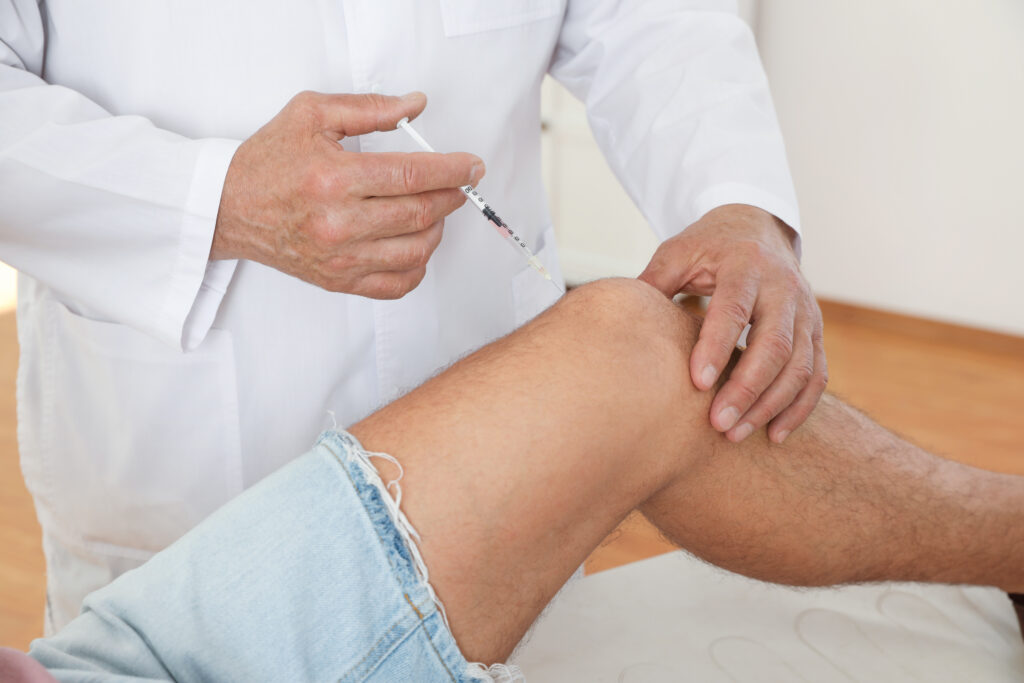
Injections are a great option for peripheral neuropathy treatment.

What are human cellular tissue products (HCT/p) or Platelet-rich plasma (PRP)? Which one is the better treatment for peripheral neuropathy?

The answer is not as simple as one is better than the other. Join us as we go through the differences between HCT/p injections and PRP therapy and how each can be helpful in the treatment of peripheral neuropathy.

What is Peripheral Neuropathy?

Peripheral neuropathy is a common condition that affects over 3 million Americans every year so you’re not alone . Peripheral neuropathy is an umbrella term used to describe the condition of poor communication from the brain to the spinal cord caused by damaged nerves. This causes a variety of symptoms but most commonly is numbness in the arms and legs, weak muscles, and difficulty walking. In some cases people can have peripheral neuropathy and have very few symptoms at all while in others it can cause debilitating pain.

What Causes Peripheral Neuropathy?

Peripheral neuropathy can be caused by a number of environmental factors, infection, injury, or trauma. Smoking and drinking can increase the risk of developing neuropathy. While environmental pollution can expose you to toxins like lead, mercury, arsenic, and pesticides which can also lead to peripheral neuropathy. Injury caused by sports or auto accidents can cause trauma which can cause nerve damage. Even a seemingly small slip and fall can cause nerve damage depending on how you land. Infections from chicken pox, HIV, or shingles are a few viral infections that can cause nerve damage. It’s important to not ignore the symptoms of neuropathy. The longer it goes untreated, the longer it may take to recover. Sometimes a full recovery is impossible, though managing the symptoms is still possible.

PRP as Treatment

Much like the causes of peripheral neuropathy, there are a few different options depending on how severe the condition is. PRP is platelet-rich plasma derived from the patient’s own blood so as to ensure the body doesn’t reject the PRP and has no risk of transmitting the disease. Platelets can promote regeneration in the soft tissue to shorten the amount of time needed to repair nerve damage.

Our bodies have an extraordinary healing ability. The body’s natural healing ability and PRP therapy work together to repair the nerve damage. When the area affected by neuropathy is injected with PRP, it triggers the body to begin repairing damaged tissue. Which can lead to a reduced amount of time needed to repair muscle, cartilage, ligament, nerves, and other soft tissue.

HCT/p as Treatment

HCT/p injections are a new form of healthcare, it attempts to help the body repair itself by reconstructing, replacing or regenerating tissue to regain its natural functions. The HCT/p is injected into the affected area where it prevents further inflammation and stimulates your body’s cells to regenerate. 

When cells are damaged they’ll produce a chemical signal which will attract the HCT/p. They become attracted to the damaged cells and surround the affected area. Days after the treatment, new cells can begin to grow and divide forming new tissue to aid in healing the damaged or injured area. HCT/p injections may be covered by Medicare, healing you from the inside out without the need for invasive or expensive surgeries.

Both of these treatments can be used to treat peripheral neuropathy however, to ensure proper diagnosis talk to your primary care provider to see what treatment option you should be considering.

Take the Next Step In Improving Your Health by Contacting SOHMA Integrative Medicine

Our goal is to help you improve your health. You can reach out to us and ask us about the Myers Cocktail, IV Therapy, Chiropractic care, or how our other health service lines can help you with your journey to improved health. 

Located in Long Beach, CA we help individuals from the surrounding cities.

We look forward to helping you take the next step in your journey to better health.

Filed Under: Therapy Tagged With: peripheral neuropathy, peripheral neuropathy treatment, SOHMA Interactive Medicine, SOHMA Interactive Medicine Pain

Treatment Options for Peripheral Neuropathy

June 28, 2022 by Dr. Daniel Hoover

Peripheral neuropathy has symptoms of numbness in the extremities.

For us to understand why certain treatments are used for peripheral neuropathy, we should first try to understand this condition. Peripheral neuropathy is an umbrella term used to describe the condition of damaged nerves that result in poor communication from the brain and spinal cord to the rest of the body. There are over 3 million cases of peripheral neuropathy in the US every year making this condition fairly common. Some people can have no symptoms, however, those who do show symptoms may feel pain, numbness, the feeling of pins and needles, and weakness. It is also common for people to suffer from poor balance, slow reflexes, and tingling in the hands and feet.

Today we’re going to go over the common causes and what treatment options are available for peripheral neuropathy.

What Causes Peripheral Neuropathy?

Peripheral neuropathy can be caused by many different events. Traumatic injuries such as car accidents, falls, sports injuries or medical procedures may damage the nerve by stretching, compressing, or severing the nerve from the spinal cord. Bacterial and viral infections such as HIV, hepatitis B and C, Lyme disease, shingles or leprosy can also damage nerves. 

Being exposed to toxins like cigarette smoke which can affect your blood circulation may raise your risk of developing peripheral neuropathy. Alcohol makes it more difficult for the body to absorb necessary nutrients like B12 and protein, forcing the body to prioritize important organs over nerves to the arms and legs.

Diseases like diabetes, kidney disease, liver disease or hypothyroidism. Swelling caused by these diseases likely causes swelling, putting pressure on peripheral nerves most commonly happening in the hands and wrists.

What Treatment Options are There?

Much like the causes of peripheral neuropathy, there are varied treatment options based on the severity of the condition. Pain relievers, lifestyle changes, topical treatment, physical therapy PRP (platelet rich plasma) therapy, HCT/P (human cellular tissue product) injections, acupuncture or surgery.

Making healthier lifestyle choices and habits is the simplest way to prevent peripheral neuropathy and support healthy nerves. Eating healthy foods, regularly exercising and avoiding common causes of nerve damage. Fruits, vegetables, whole grain, and lean protein promote healthy nerves. Lean meats, fish, eggs and low-fat dairy are high in vitamin B12 which can protect against B12 deficiency. For vegans or vegetarians, look for foods fortified with vitamin B12 or talk to your primary care provider about B12 supplements. If able to exercise, attempt to commit an hour and a half to 3 hours of exercise about 3 times a week. You are also welcome to join our Tai Chi classes for beginners on Sundays from 9:30am to 10:30am at Heartwell Park in Long Beach CA, we’re by the duck lake. Avoid habits like drinking alcohol or smoking as these toxins can cause damaged nerves.

At SOHMA we offer HCT/P injections which may be covered by medicare. HCT/P injections work by encouraging your body to heal damaged tissue. HCT/p rejuvenates, repairs or replaces damaged cells. Days following treatment new cells can grow and divide forming new tissue to aid in healing the damaged or injured area. Healing you from within the body. 

PRP is a concentrate of platelet-rich plasma protein that is derived from the patient’s own blood. It can be used in the affected area to trigger the body to begin repairing the damage in the nerves. Platelets promote regeneration in the tissue and can shorten the amount of time needed to repair nerve damage.

Feel free to ask the helpful staff at SOHMA any questions about how we can help you heal from peripheral neuropathy.

Take the Next Step In Improving Your Health by Contacting SOHMA Integrative Medicine

Our goal is to help you improve your health. You can reach out to us and ask us about the Myers Cocktail, IV Therapy, Chiropractic care, or how our other health service lines can help you with your journey to improved health. 

Located in Long Beach, CA we help individuals from the surrounding cities.

We look forward to helping you take the next step in your journey to better health.
Filed Under: Therapy Tagged With: IV Therapy, peripheral neuropathy, peripheral neuropathy treatment, SOHMA Interactive Medicine, SOHMA Interactive Medicine Pain

Peripheral Neuropathy and Your Heart

April 18, 2022 by Dr. Daniel Hoover

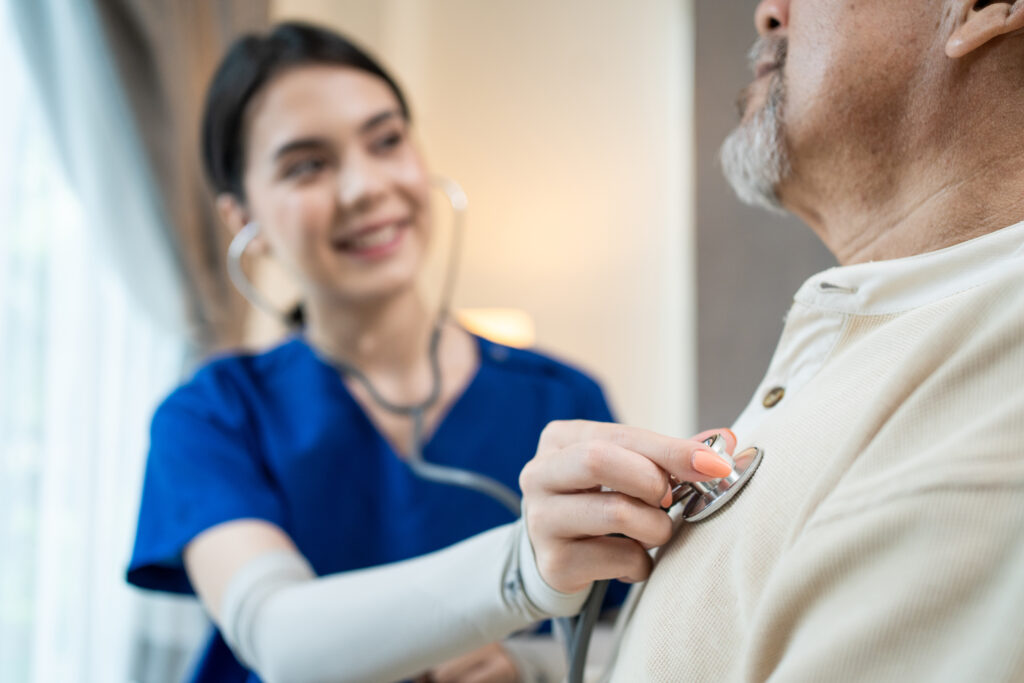
Peripheral Neuropathy is common, with about 25% to 30% of Americans will be affected by it at some point in their lives. Older adults ages 60+ however,  are at an increased risk. Most symptoms of Peripheral Neuropathy may diminish or go away on its own, but in some cases the damage can be permanent. 

Today we’re going to analyze the link between your heart and peripheral neuropathy.

Understanding Peripheral Neuropathy

Peripheral Neuropathy can develop when the nerves in your limbs, hands and feet become damaged. Symptoms can vary depending on the nerves being affected. Such as sensory nerves that carry messages from your five senses. Motor nerves which carry signals from your brain to your muscles in order to walk for example. The final group of nerves that can be affected by Peripheral Neuropathy are the Autonomic nerves. These are responsible for body functions that you don’t have direct control over like breathing, digestion, heart rate and blood pressure, sweating, and even bladder and bowel control.

When your Autonomic nerves begin to suffer from neuropathy it is called autonomic neuropathy. There are many diseases and conditions that can lead to autonomic neuropathy, as well as side effects of medicine. 

Cardiac autonomic neuropathy is the least understood complication of Peripheral Neuropathy. Due to its potential of being fatal, it’s important to ask your primary care provider for a proper diagnosis.

 Primary diseases that can cause autonomic neuropathy include:

  • Parkinson’s Syndrome
  • Shy-Drager Syndrome
  • Riley-Day Syndrome

Other examples of causes of autonomic neuropathy can include:

  • Amyloidosis
  • Diabetes
  • HIV
  • Chemotherapy
  • Trauma
  • Alcoholism
  • Drug abuse

Your Heart and Peripheral Neuropathy

We don’t need to go into detail about the functions of your heart or how important it is to your health and well being. But Peripheral Neuropathy can affect and damage different nerves. Some of the nerve damage can block or interfere with signals between the heart and blood vessels which can lead to serious symptoms like:

  • Palpitations
  • Hypertension
  • Irregular Heartbeat
  • Blurred Vision
  • Lightheadedness
  • Fainting
  • Shortness of Breath
  • Chest Pain

Because of the varied symptoms, oftentimes this form of neuropathy can be misdiagnosed, making it more difficult to treat and study.

Managing your Symptoms

With many conditions, learning to manage your symptoms is important in order to recover and heal. Peripheral neuropathy is no different. 

Drinking a cup of water first thing in the morning, even before getting out of bed can help regulate blood pressure and may improve orthostatic intolerance, a condition involving symptoms associated when standing but improve when lying down.

Reduce the number of large meals that can lower your blood pressure during digestion. Instead have more frequent but smaller meals throughout the day.

Reduce consumption of sodas, energy drinks, coffee or other heavily caffeinated drinks as they may increase production of urine and reduce blood volume.

Exercise is a great way to increase blood volume and physical function. You can exercise wherever you feel comfortable whether it be a gym, at home or a local park. Ideal exercises include swimming, yoga, Tai Chi or other low impact exercises that won’t cause orthostatic stress.

Along with leading a proactive lifestyle to help with your condition, you should also avoid the following:

  • Alcohol 
  • Extremely Hot Environments
  • Smoking
  • Standing Quickly from a Lying Position

Don’t forget to take the appropriate steps to prevent, control and recover from Peripheral Neuropathy. At SOHMA Integrative Medicine in Long Beach CA we now offer regenerative cellular tissue therapy, which may be covered by Medicare. By administering HCTPs (Human Cellular Tissue Products) in affected areas, the body may be able to repair nerve damage.

Take the Next Step In Improving Your Health by Contacting SOHMA Integrative Medicine

Our goal is to help you improve your health. You can reach out to us and ask us about the Myers Cocktail, IV Therapy, Chiropractic care, or how our other health service lines can help you with your journey to improved health. 

Located in Long Beach, CA we help individuals from the surrounding cities.

We look forward to helping you take the next step in your journey to better health

Filed Under: Therapy Tagged With: peripheral neuropathy, SOHMA Interactive Medicine, SOHMA Interactive Medicine Pain, SOHMA Long Beach

What is Peripheral Neuropathy?

March 1, 2022 by Dr. Daniel Hoover

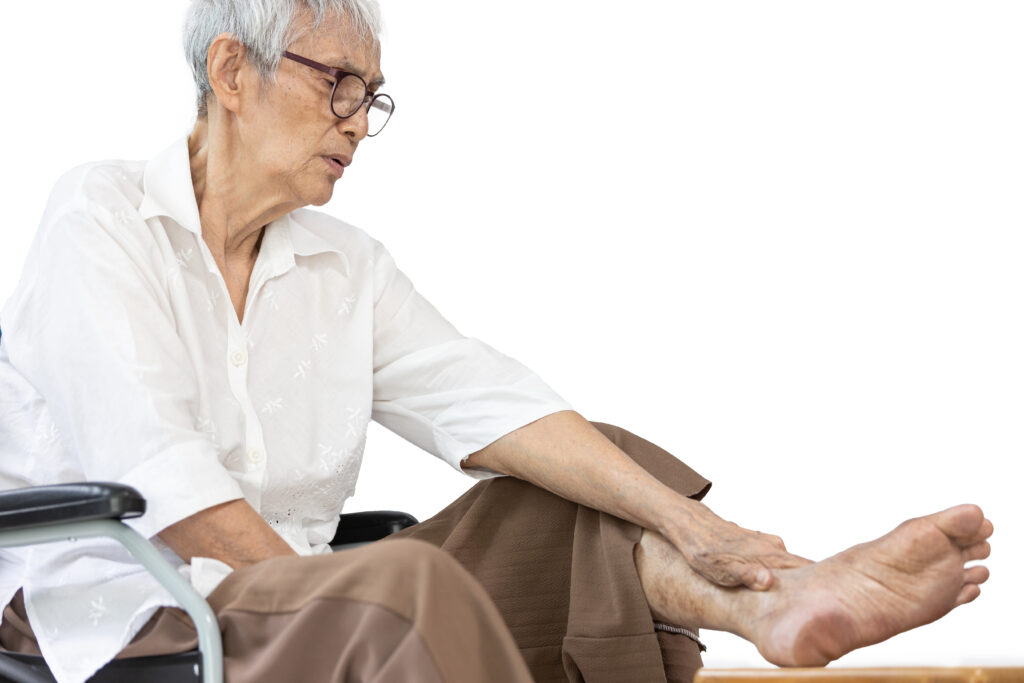
Asian senior woman massaging ankle and feet,old elderly had beriberi,cramp,numbness in her feet,sore toe joints,peripheral neuropathy disease,pain and swelling in the ankle bone,leg muscle weakness

In short, nerve damage.

But what causes Peripheral Neuropathy? How can you tell when you are suffering from it? How serious can this be? We’ll answer these questions as well as what kind of help is there if you are suffering from Peripheral Neuropathy and when you should consider seeing your primary care provider if you suspect you may be suffering from Peripheral Neuropathy.

Causes of Peripheral Neuropathy

Peripheral Neuropathy is a common condition that affects over 3 million people in the US every year. And with a varied source of causes, finding out what the underlying condition is important to your case of Peripheral Neuropathy. Some of the causes include:

  • Autoimmune diseases – such as Lupus, Arthritis and Vasculitis
  • Diabetes
  • Viral Infection
  • Tumors
  • Liver Disease
  • Hypothyroidism
  • Alcoholism 
  • Poor Dietary Choices
  • Medication
  • Injury or Trauma
  • Vitamin deficiencies

Understanding the root cause is half the battle. Managing what causes Peripheral Neuropathy can mitigate further damage to your nerves. In some cases a cause can not be identified which can make it harder for you or your doctor to identify whether or not you are suffering from this condition.

Symptoms of Peripheral Neuropathy

The list of symptoms is as diverse as its causes. Some people may be suffering from it and show now symptoms while others can manifest some of the most debilitating pain imaginable, some symptoms include:

  • Numbness
  • Poor Balance
  • Tingling fingers, toes and feet
  • Slow reflexes
  • Cramping
  • Feeling of Pins and Needles in Hands and Feet
  • Sensitivity to Pain
  • Pain

These symptoms unfortunately can occur commonly with everyday events, sitting awkwardly can cause numbness and pins and needles. Lack of sleep can cause you to have slow reflexes and poor balance while dehydration can cause cramping. Getting checked regularly can help you to identify the root cause of these symptoms. Which can ultimately save you from further damage if ignored.

Severity of Peripheral Neuropathy

As uncomfortable as suffering from peripheral Neuropathy can be, it’s rarely a life threatening condition. People suffering from Peripheral Neuropathy can have problems eating as their digestive tract can swell or go numb. If left unchecked for long periods of time symptoms can become worse and damage to the nerves can become permanent.

With early detection of the root cause of Peripheral Neuropathy treatment to the damaged nerves can be halted. With proper care damage to the nerves can be reversed, mobility can be regained and senses normalized.

When to See your Primary Care Provider

Many symptoms linked with Neuropathy are also commonly linked with other ailments. Because of this it is difficult to judge whether or not your symptoms will disappear on their own or if you should seek your primary care provider. However, my recommendation would be if at any point you begin to suffer some or any of the symptoms of Peripheral Neuropathy on a regular basis, that may be the sign that there may be an underlying condition that you may not be aware of. This would be the appropriate time to ask your primary care provider if you are suffering from a form of Neuropathy.

Treatment

Treatment for Peripheral Neuropathy depends on the amount of damage sustained by the nerves. In some cases a simple change in diet and more active lifestyle is all you need in order to begin recovery from Peripheral Neuropathy. More serious cases may require a little bit more help to heal the damaged nerves.

At SOHMA Integrative Medicine in Long Beach CA we now offer regenerative cellular tissue therapy, which may be covered by Medicare. Regenerative cellular tissue therapy can be helpful in reducing pain that is caused by Peripheral Neuropathy as well as assisting in the regeneration of damaged nerves.

Tai Chi is a great way to stay active while not stressing your body. Feel free to ask the helpful staff at SOHMA about our free Tai Chi classes. 

Take the Next Step In Improving Your Health by Contacting SOHMA Integrative Medicine

Our goal is to help you improve your health. You can reach out to us by calling us at 562-408-1140 or filling out the contact form and ask us about the Myers Cocktail, IV Therapy, Chiropractic care, or how our other health service lines can help you with your journey to improved health. 

Located in Long Beach, CA we help individuals from the surrounding cities.

We look forward to helping you take the next step in your journey to better health.
Filed Under: Therapy Tagged With: Diabetic Tingling, Extremities Pain, Pain Management, peripheral neuropathy, sohma, SOHMA Interactive Medicine, SOHMA Interactive Medicine Pain

What does Peripheral Neuropathy feel like?

January 29, 2022 by Dr. Daniel Hoover

First off, what is Peripheral Neuropathy?

Peripheral neuropathy is an umbrella term used to describe the condition of nerve damage and the symptoms caused by the damage done to those nerves. The term peripheral, means extremities such as the muscles and senses in your arms, hands, legs and feet.

Peripheral Neuropathy can be caused by a variety of reasons including but not limited to viral, bacterial, fungal infection,diabetes, injury and exposure to toxins. Though rarely fatal, some of the symptoms caused by Peripheral neuropathy can be life altering and debilitating.

What does Peripheral Neuropathy feel like?

The symptoms of Peripheral Neuropathy are as varied as the causes, today we are going to talk about what Peripheral Neuropathy feels like. If you think you may be suffering from Peripheral Neuropathy we urge you to see your primary care provider as an early diagnosis can be extremely helpful in managing symptoms and even repairing the damaged nerves.

Numbness and tingling

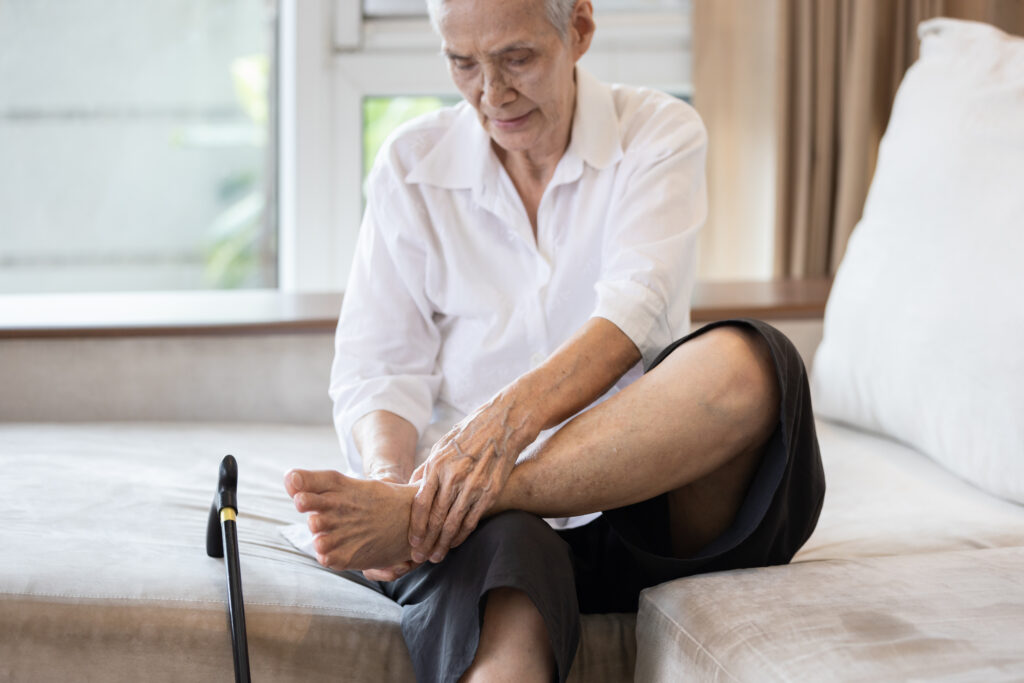
One of the more common symptoms caused by Peripheral Neuropathy is numbness of your hands and feet. Granted this can also happen during long periods of sitting causing tingling sensation in your legs. And sleeping on your side can also cause numbness on the arm you were lying on. Always keep in mind the frequency of the numbness or tingling. If it becomes a frequent occurrence it’s a sign that you may be dealing with Peripheral Neuropathy.

The tingling sensation of your hands and feet can sometimes be accompanied by the feeling of pins and needles as well as an uncomfortable burning sensation. Patients suffering from Peripheral Neuropathy tend to have more frequent symptoms in the evenings but they can develop to occur even during the day.

Pain

Pain is usually not seen as one of the more common symptoms but it usually occurs in the hands and feet. Additionally, pain in neck, back and face can also be part of the symptoms.

When pain is present as a symptom it tends to be unusually extreme and Intense. This pain is among the most debilitating symptoms for patients, and oftentimes the neurological origin of the pain can be misdiagnosed. This results in delayed or inadequate treatment of underlying conditions leaving the patient dealing with unnecessary pain from the damaged nerves.

Muscular

Many different muscular symptoms can be caused by Peripheral Neuropathy. These include weakness or loss of strength in your arms and legs, as well as your muscles feeling heavy or sluggish. Muscle cramps may also follow the aforementioned symptoms causing pain and difficulty moving.

Problems with hand to eye coordination may be experienced as well as a loss of balance causing potentially dangerous situations as a person can fall and injure themselves. Reaction time and slowed reflexes are additional symptoms as nerves become damaged.

When Peripheral Nerves are damaged it can also lead to muscle atrophy and a loss of muscle mass.

If you have been feeling any of the symptoms mentioned in this article for an extended period of time you may be suffering from Peripheral Neuropathy. As previously mentioned there are many underlying causes of Peripheral Neuropathy, and making sure you are properly diagnosed can be the difference between long term nerve damage and the path to recovery. 

At SOHMA integrative medicine in Long Beach CA we now offer regenerative cellular tissue repair therapy that can help repair the damaged nerves, and may be covered by Medicare. 

If you have any questions about Peripheral Neuropathy or Regenerative Cellular Tissue Repair Therapy feel free to ask the helpful staff at SOHMA Integrative Medicine for any further information.

Take the Next Step In Improving Your Health by Contacting SOHMA Integrative Medicine

Our goal is to help you improve your health. You can reach out to us and ask us about the Myers Cocktail, IV Therapy, Chiropractic care, or how our other health service lines can help you with your journey to improved health. 

Located in Long Beach, CA we help individuals from the surrounding cities.

We look forward to helping you take the next step in your journey to better health.
Filed Under: Therapy Tagged With: peripheral neuropathy, Regenerative Treatment, SOHMA Interactive Medicine, SOHMA Interactive Medicine Pain, SOHMA Long Beach

  • Page 1
  • Page 2
  • Go to Next Page »

Footer

Contact Us

SOHMA Integrative Medicine – Long Beach

Email
drdanielhoover@sohma.org

Follow Us on Instagram Instagram


WCAG

The Web Content Accessibility Guidelines (WCAG) defines requirements for designers and developers to improve accessibility for people with disabilities for websites, such as for SOHMA Integrative Health Center. It defines three levels of conformance: Level A, Level AA, and Level AAA. SOHMA is partially conformant with WCAG 2.1 level AA. Partially conformant means that some parts of the content do not fully conform to the accessibility standard.

Our goal here at SOHMA is to make our website accessible to all visitors; unfortunately, our goal for 100% accessibility is not yet complete. Our goal is to provide universal access to our website by following WCAG 2.0 (current WCAG 2.1) A, AA guidelines; however, this will be a work in progress.

Feedback

We welcome your feedback on the accessibility of SOHMA’s website. Please let us know if you encounter accessibility barriers on our website. We are here to help. You can reach us below at:

Phone: (562) 420-2112
E-mail: accessibility@sohma.org
Postal address: 4195 N. Viking Way, Long Beach, CA 90808
We try to respond to feedback within 5 business days.

SOHMA Integrative Medicine

Connect With Us

VA Authorized

SOHMA Integrative Medicine | Privacy Policy | Copyright © 2026

Designed by ITSOPRO