• Skip to main content
  • Skip to footer

SOHMA Integrative Medicine

We offer the best of Eastern & Western medicine without using drugs or surgery

  • Tai Chi
    • Tai Chi Benefits
    • Tai Chi Instructors
    • Online Tai Chi Certification Program
  • Physical Medicine
    • Chiropractic Care
      • VA Authorized Care
      • Sports Medicine
      • Digital X-Rays
    • Physiotherapy
    • Spinal Decompression
    • Laser Therapy
    • Shockwave Therapy/Piezowave
    • Cupping Therapy
    • Acupuncture
    • Herbal Pharmacy
    • VA Authorized Care
  • Blogs
  • About
    • Our Providers
  • Contact Us
    • Make an Appointment
    • New Patient Intake Forms

SOHMA Interactive Medicine

Which Injection is Best for Peripheral Neuropathy?

July 28, 2022 by Dr. Daniel Hoover

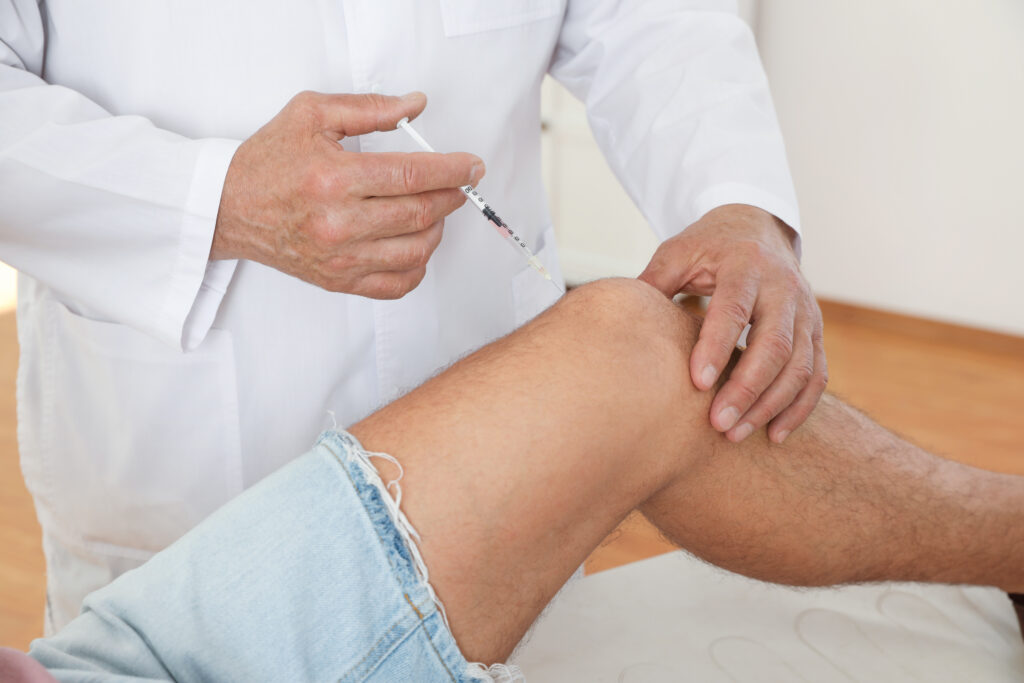
Injections are a great option for peripheral neuropathy treatment.

What are human cellular tissue products (HCT/p) or Platelet-rich plasma (PRP)? Which one is the better treatment for peripheral neuropathy?

The answer is not as simple as one is better than the other. Join us as we go through the differences between HCT/p injections and PRP therapy and how each can be helpful in the treatment of peripheral neuropathy.

What is Peripheral Neuropathy?

Peripheral neuropathy is a common condition that affects over 3 million Americans every year so you’re not alone . Peripheral neuropathy is an umbrella term used to describe the condition of poor communication from the brain to the spinal cord caused by damaged nerves. This causes a variety of symptoms but most commonly is numbness in the arms and legs, weak muscles, and difficulty walking. In some cases people can have peripheral neuropathy and have very few symptoms at all while in others it can cause debilitating pain.

What Causes Peripheral Neuropathy?

Peripheral neuropathy can be caused by a number of environmental factors, infection, injury, or trauma. Smoking and drinking can increase the risk of developing neuropathy. While environmental pollution can expose you to toxins like lead, mercury, arsenic, and pesticides which can also lead to peripheral neuropathy. Injury caused by sports or auto accidents can cause trauma which can cause nerve damage. Even a seemingly small slip and fall can cause nerve damage depending on how you land. Infections from chicken pox, HIV, or shingles are a few viral infections that can cause nerve damage. It’s important to not ignore the symptoms of neuropathy. The longer it goes untreated, the longer it may take to recover. Sometimes a full recovery is impossible, though managing the symptoms is still possible.

PRP as Treatment

Much like the causes of peripheral neuropathy, there are a few different options depending on how severe the condition is. PRP is platelet-rich plasma derived from the patient’s own blood so as to ensure the body doesn’t reject the PRP and has no risk of transmitting the disease. Platelets can promote regeneration in the soft tissue to shorten the amount of time needed to repair nerve damage.

Our bodies have an extraordinary healing ability. The body’s natural healing ability and PRP therapy work together to repair the nerve damage. When the area affected by neuropathy is injected with PRP, it triggers the body to begin repairing damaged tissue. Which can lead to a reduced amount of time needed to repair muscle, cartilage, ligament, nerves, and other soft tissue.

HCT/p as Treatment

HCT/p injections are a new form of healthcare, it attempts to help the body repair itself by reconstructing, replacing or regenerating tissue to regain its natural functions. The HCT/p is injected into the affected area where it prevents further inflammation and stimulates your body’s cells to regenerate. 

When cells are damaged they’ll produce a chemical signal which will attract the HCT/p. They become attracted to the damaged cells and surround the affected area. Days after the treatment, new cells can begin to grow and divide forming new tissue to aid in healing the damaged or injured area. HCT/p injections may be covered by Medicare, healing you from the inside out without the need for invasive or expensive surgeries.

Both of these treatments can be used to treat peripheral neuropathy however, to ensure proper diagnosis talk to your primary care provider to see what treatment option you should be considering.

Take the Next Step In Improving Your Health by Contacting SOHMA Integrative Medicine

Our goal is to help you improve your health. You can reach out to us and ask us about the Myers Cocktail, IV Therapy, Chiropractic care, or how our other health service lines can help you with your journey to improved health. 

Located in Long Beach, CA we help individuals from the surrounding cities.

We look forward to helping you take the next step in your journey to better health.
Filed Under: Therapy Tagged With: peripheral neuropathy, peripheral neuropathy treatment, SOHMA Interactive Medicine, SOHMA Interactive Medicine Pain

What are the 7 Holy Herbs?

July 27, 2022 by Dr. Daniel Hoover

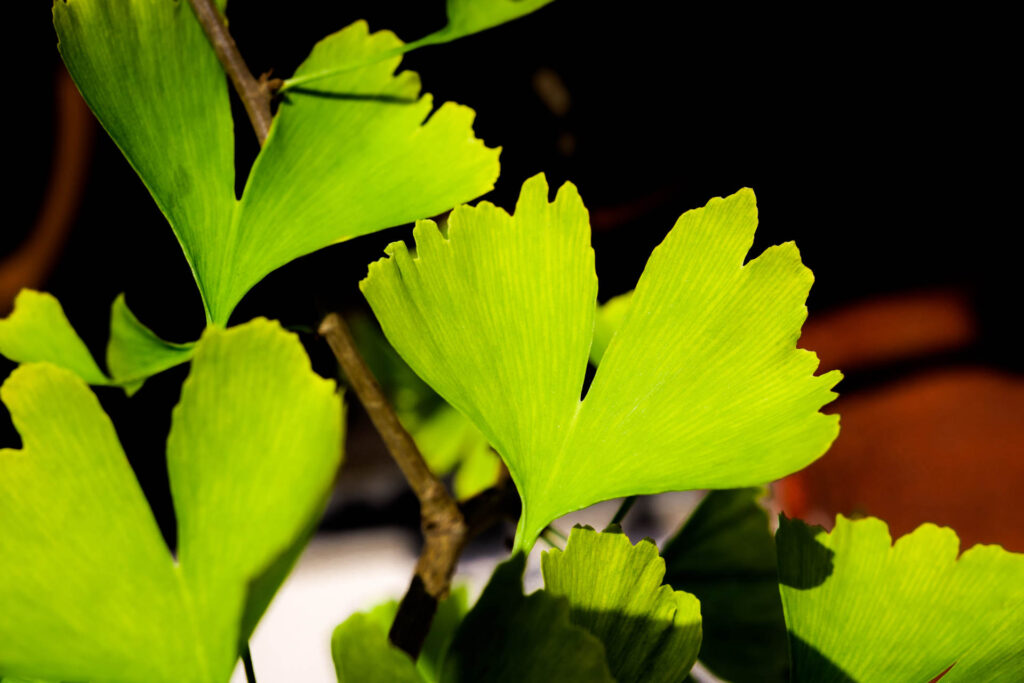
Gingko Biloba is a potent and ancient herb that has helped people for thousands of years.

Herbal remedies and medicine have been used in human history for thousands of years. Regardless of the advancements of pharmaceuticals in modern times, the popularity of herbal supplements and remedies has increased due in part to their affordability and accessibility compared to conventional medicines. 

Join me as we explore 7 of the most commonly used herbs in herbal supplements and remedies, their benefits, and any safety concerns that may be relevant.

Ginkgo Biloba 

Also known as maidenhair, the ginkgo biloba is a tree native to China. Although in the past the leaves and seeds were used in traditional Chinese medicine, only the leaves are used in ginkgo extract now.

Ginkgo biloba contains powerful antioxidants which help fight free radicals. Free radicals are highly reactive particles commonly produced by the body when converting food to energy. Ginkgo can help reduce and fight inflammation caused by many conditions including arthritis, irritable bowel disease, and heart disease. The anti-inflammatory properties in ginkgo have also been used to help treat:

  • Anxiety
  • Depression
  • Migraines
  • Headaches
  • Respiratory diseases like asthma

Overall the risk associated with ginkgo biloba is low for most adults, however, if you are allergic to plants containing alkylphenols it may cause harm. Common side effects of ginkgo include:

  • Nausea
  • Diarrhea
  • Headaches
  • Stomach Pain
  • Dizziness
  • Allergic Reaction

Ginkgo can have adverse reactions with NSAIDS (ibuprofen, aspirin, naproxen), antidepressants, and blood thinners. Consult your primary care provider before using ginkgo if you’re currently using these medications.

Echinacea 

A native North American plant, echinacea was used by the natives. Many people believe the roots of the echinacea have the most potent effects through the leaves and flowers are also used.

Echinacea is primarily used to prevent the common cold. It’s also used to treat cold and flu symptoms. It’s usually drunk as a tea or supplement; it can also be applied topically.

Echinacea is considered safe for most adults though common side effects include nausea, stomach irritation, skin rash, or allergic reaction.

St. John’s Wort

St. John’s wort’s uses can have been traced back to ancient Greece. It was used to aid in healing wounds, and relieve insomnia, depression, and lung and kidney conditions.

Today St. John’s wort is generally used to treat varying cases of depression. Some studies show short-term use of St. John’s wort may be as effective as some current antidepressants.

St. John’s wort has many interactions with modern medicines including birth control, antidepressants, blood thinners, and pain medications. St. John’s wort should only be used under the guidance of your primary care provider as some drug interactions could lead to harmful conditions.

Ginseng

The ginseng root is typically used in traditional Chinese medicine to increase energy, reduce inflammation and boost immunity and brain functions. The root is traditionally steeped to make tea or dried to make powder.

Ginseng has anti-inflammatory properties and is an antioxidant. Ginseng may help protect against oxidative stress and can help reduce inflammation. And is still used to increase energy levels and fight tiredness.

For adults, ginseng appears to be safe but can cause mild nervousness and insomnia. Though people taking diabetes medicine should monitor their blood sugar levels carefully to make sure levels don’t go too low when using ginseng.

Garlic

The common garlic you can purchase at the grocery store has been used in herbal medicine for thousands of years. Used for cooking and its potential health benefits, garlic has been taken to prevent and treat many different conditions.

At present, garlic can be used to aid with conditions linked to the heart and the circulatory system including:

  • High Cholesterol
  • Heart Attack
  • Hypertension
  • Heart Disease

Though commonly consumed in foods, garlic when taken as an herbal supplement may increase the risk of bleeding.

Ginger

Much like garlic, ginger has been used as an ingredient in food and in medicine. Originally from Southeast Asia, Ginger is among one of the healthiest plants out there. Ginger contains high amounts of gingerol, which has strong anti-inflammatory and antioxidant properties.

Ginger has been used to aid with symptoms of the following:

  • Nausea
  • Arthritis
  • Heart Disease
  • Asthma

Ginger rarely causes side effects, though if consumed in large doses it can cause diarrhea or heartburn.

Chamomile

Native to Europe and Western Asia, Chamomile is a white flower in the daisy family. For thousands of years, chamomile was used to help treat fevers, headaches, kidney, liver, and bladder conditions, and many others.

Currently, chamomile is steeped to make tea to help with insomnia, anxiety, and indigestion. Some people use chamomile topically to reduce skin irritations and promote healing wounds though not enough research has been done for a conclusive answer.

For most adults, side effects are rare; however, if you are allergic to ragweed and chrysanthemum you may be allergic to chamomile. Chamomile contains a naturally occurring chemical with a similar effect to blood thinners. Talk to your primary care provider if you are taking blood thinners as too much chamomile can have an adverse reaction.

Although herbal remedies are natural, you should always consult with your primary care provider and herbal pharmacist before using herbal supplements as they’ll have a better understanding of how some herbs can react to your body or other medication you may be using.

Take the Next Step In Improving Your Health by Contacting SOHMA Integrative Medicine

Our goal is to help you improve your health. You can reach out to us and ask us about the Myers Cocktail, IV Therapy, Chiropractic care, or how our other health service lines can help you with your journey to improved health. 

Located in Long Beach, CA we help individuals from the surrounding cities.

We look forward to helping you take the next step in your journey to better health.
Filed Under: Herbs, Therapy Tagged With: Herbal medicine, herbal pharmacy, herbal therapy, sohma herbal therapy, SOHMA Interactive Medicine, SOHMA Long Beach

Does Acupuncture Actually Do Anything?

July 26, 2022 by Dr. Daniel Hoover

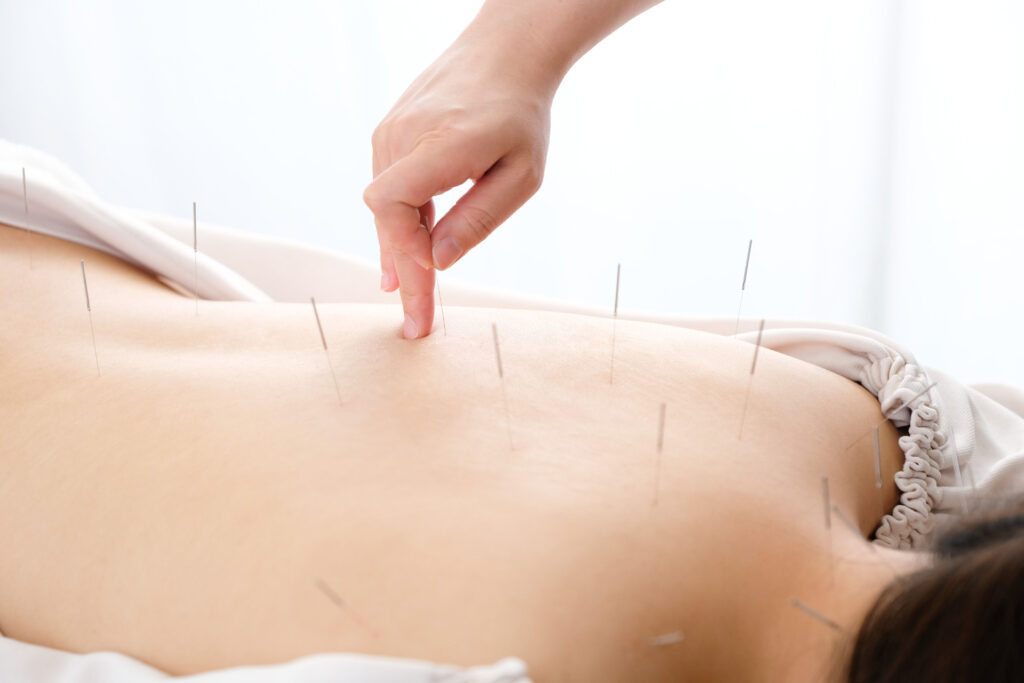
Acupuncture is an ancient treatment that’s been used for centuries.

What is acupuncture? What is it used for? How does it work? And does it really do anything?

First, let’s answer what acupuncture is. Acupuncture is a traditional Chinese method used to alleviate some health conditions and reduce pain among other ailments. The practice of acupuncture involves the practitioner inserting extremely thin needles, imagine the thickness of a human hair, into various parts of the body. These one-time-use sterile needles are inserted into strategic points called acupuncture points or “acupoints”. When triggered, the acupoints prompt the body to release natural chemicals to alleviate symptoms and fight illnesses.

Join us as we answer other questions about this ancient form of natural healing.

What is Acupuncture Used For?

Acupuncture is used to help treat many different symptoms and conditions, and every patient’s treatment will differ from person to person. Acupuncture has been shown to treat conditions ranging from allergies to chronic pain. 

Other symptoms and conditions acupuncture treats include: 

  • Tendonitis
  • Arthritis
  • Lower/Upper Back Pain
  • Neck Pain
  • Headaches and Migraines
  • Dental Pain
  • Injuries 
  • Carpal Tunnel Syndrome
  • Sprains

We know how painful these conditions can be. To treat any conditions with acupuncture a proper diagnosis needs to be made. After all, the only way to begin healing is by taking care of the root cause.

How does Acupuncture Work?

When your acupuncture points are activated by the needles, it is said to balance the energies in your body, which would be traditionally referred to as qi (chi). This causes your body to release natural chemicals into your muscles, spinal cord, brain, and other body parts. 

This re-balancing of chemicals promotes mental and physical health by stimulating the body’s natural healing capabilities. Acupuncture has been shown to successfully make a positive difference in a patient’s conditions that many insurance providers now cover acupuncture therapy potentially saving hundreds of dollars or more without the need for invasive procedures like surgery.

Does Acupuncture Really Do Anything?

Acupuncture is a results-based therapy that has shown to make a difference in the lives of many patients who follow through with it. Time and time again the short and long-term benefits of acupuncture have been seen in patients, athletes, and celebrities. Helping to reduce pain can lead to proper sleep and rest. Uninterrupted sleep means you can rest pain-free which is necessary for the body to naturally heal itself. Though not everyone reacts the same way to acupuncture therapy.

In some cases, patients will see a noticeable change in a single session, while the majority of patients will take 2-4 days afterward to feel the therapeutic benefits. It’s rare for a single session of acupuncture to be enough to treat the majority of patients. Usually, major results will begin to be felt after about 3 treatment sessions while more severe cases may take as many as 6 treatment sessions. The normal treatment for the majority of patients is a single treatment session per week. Though 2 times per week may be recommended for patients with a great deal of pain.

Is Acupuncture Therapy for You?

Almost everyone can take part in acupuncture therapy. In modern days acupuncture treatment has become an exceptionally safe and reliable treatment. It has become standard practice to dispose of all needles after treatment, reducing the risk of infection to near zero. Currently, there is no indication that acupuncture can cause any issues during pregnancy, though it is generally recommended to avoid acupuncture during the first trimester, and you should consult your primary care provider to ensure it is safe for you to have acupuncture treatment done.

You should avoid acupuncture therapy if you suffer from bleeding disorders or are taking blood thinners or have a pacemaker. Blood thinners and bleeding disorders pose a higher risk of bleeding from the needles. Some acupuncture therapy involves small electrical pulses applied to the needles which can cause complications with a pacemaker.

Take the Next Step In Improving Your Health by Contacting SOHMA Integrative Medicine

Our goal is to help you improve your health. You can reach out to us and ask us about the Myers Cocktail, IV Therapy, Chiropractic care, or how our other health service lines can help you with your journey to improved health. 

Located in Long Beach, CA we help individuals from the surrounding cities.

We look forward to helping you take the next step in your journey to better health.
Filed Under: Acupuncture & Eastern Medicine Tagged With: Acupuncture, acupuncture for me, acupuncture in lakewood, acupuncture in long beach, SOHMA Interactive Medicine, SOHMA Interactive Medicine Pain, SOHMA Long Beach

Can Non-Surgical Spinal Decompression Fix a Bulging Disc?

July 18, 2022 by Dr. Daniel Hoover

Spinal Decompression is a Non-Invasive Therapy that Could Help With Many Back Problems

Lower back pain affects millions of Americans every year, usually caused by injury, improper posture, or lack of exercise. Occasionally it can be dealt with, with bed rest, stretching, or a heating pad. But sometimes it can be the result of a bulging disc, and many people may not even realize it.

What is a bulging disc? How does it occur? And can non-surgical spinal decompression fix a bulging disc?

Join me as we answer these questions and explore non-surgical spinal decompression as a treatment for a bulging disc.

What is a Bulging Disc?  

A bulging disc is a condition that usually develops as we age and over long periods of time. Though younger people can still be afflicted with bulging discs too. A bulging disc also called a herniated, or protruding disc occurs when the soft tissue known as spinal discs between the spine becomes compressed. The spine consists of a series of vertebrae which are a series of interlocking bones. Vertebrae provide the spine with support when moving or bending your back.

Spinal discs act as shock absorbers that prevent vertebrae from rubbing against each other. Compression of the spinal disc can cause it to bulge and can lead to damage to the spinal cord and nerve roots which can cause reduced mobility and cause pain.

Bulging discs occur most commonly in the lower lumbar spine, so the pain and discomfort is usually felt in your lower back. 

Symptoms of a Bulging Disc

Early identification of a bulging disc is only possible with medical testing which shows any changes in the shape and positioning of the spinal disc. And there are very few early symptoms to suggest your spine is being compressed to the point of herniating a disc. Depending on the severity and location in the spine, the symptoms of a bulging disc can fluctuate in severity. Many people have little to no initial symptoms, though as the disc degenerates and bulges a patient may have symptoms including:

  • Back muscle spasms
  • Weakness in your legs and feet
  • Sciatica
  • Poor coordination
  • Reduced mobility and difficulty walking
  • Reduced control over bowel and bladder
  • Increased pain when moving

If you have had some of these symptoms contact your primary care provider to see if you have a bulging disc. If you have lost control of your bowel or bladder you may require immediate attention as this can happen when too much pressure builds up the spinal nerve roots, which is considered a medical emergency.

How can Non-Surgical Spinal Decompression help?

Can non-surgical spinal decompression heal a bulging disc?

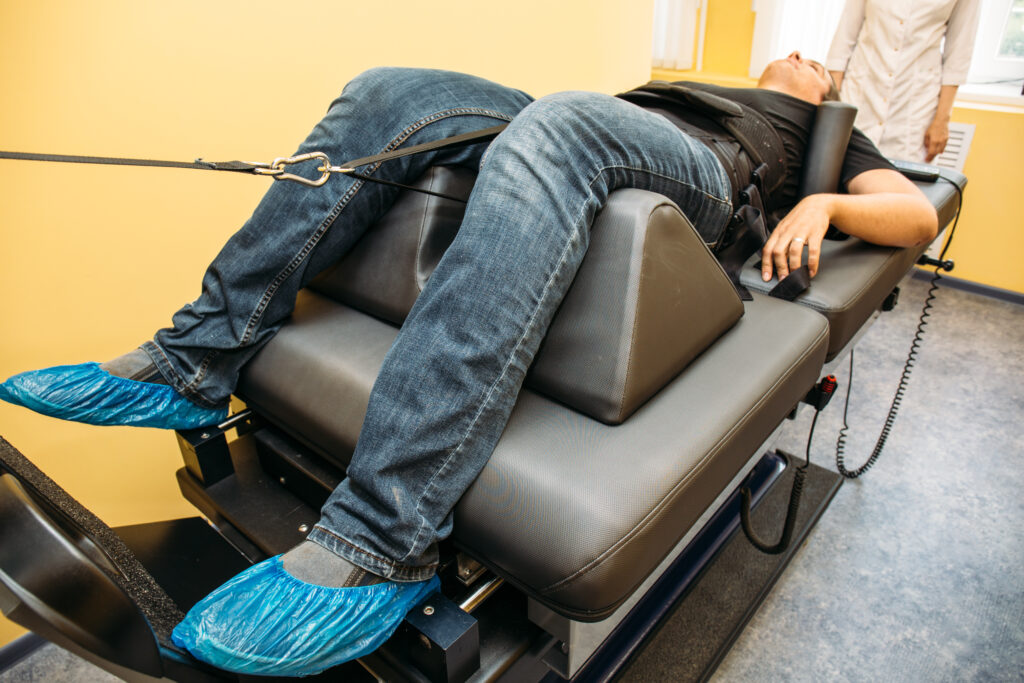
As previously stated, building discs often occur when the spine is under too much pressure and begins to compress. Before treatment begins information including height, weight, and spinal condition, how long they’ve had their symptoms, and how much pain they are in is analyzed so the computer can monitor your body’s reactions. Non-surgical decompression therapy works by securing the patient on a specialized decompression table called spinal traction. The patient is fitted with a harness that holds the abdomen and the pelvis. The spinal traction then stretches and relaxes the patient’s back intermittently to achieve the perfect amount of tension needed to gently decompress the spine.

Non-surgical spinal decompression therapy can aid in correcting a bulging disc or a disc that has slipped out of place completely. As the spine is being decompressed, a small amount of negative pressure allows the spinal disc to naturally return to its original position.

Non-surgical spinal decompression is a gentle, non-invasive way to help heal your pain so you can get back to your life.

Take the Next Step In Improving Your Health by Contacting SOHMA Integrative Medicine

Our goal is to help you improve your health. You can reach out to us and ask us about the Myers Cocktail, IV Therapy, Chiropractic care, or how our other health service lines can help you with your journey to improved health. 

Located in Long Beach, CA we help individuals from the surrounding cities.

We look forward to helping you take the next step in your journey to better health.

Filed Under: Therapy Tagged With: SOHMA Interactive Medicine, SOHMA Interactive Medicine Pain, SOHMA Long Beach, Spinal Decompression

What is the Difference Between Herbal Medicine and Pharmaceutical Medicine?

July 14, 2022 by Dr. Daniel Hoover

Herbal Medicine and Pharmaceuticals Medicine are effective but each has its place and uses.

For many years people have wondered what the difference between herbal and conventional medicine is, and you’d be surprised to learn that they are as different as they are similar. When it comes to our health, knowing when to forgo pharmaceuticals for natural herbal medicine is incredibly important.

But what are the differences? What are the similarities? Today we’re going to do our best to distinguish herbal remedies and pharmaceuticals so you can make a better-informed decision when it comes to your health.

Organic vs Synthetic

The biggest and most notable difference is natural herbal medicine is organic and only lightly processed. Whereas pharmaceuticals can be synthetic even if the active ingredient was derived from a natural source. 

For thousands of years, people have used herbal medicine and remedies to treat and cure ailments. Only in relatively recent years have pharmaceuticals become more trusted than traditional herbal remedies. Products made from plants and used exclusively for internal use are called herbal supplements. Herbal supplements can be sold as dried herbs, in powdered form, capsules, or in liquid form and are meant to be swallowed as capsules, tinctures, or powdered. They can be brewed in teas or applied topically or added to a warm bath.

Although the use of herbal medicine has become more popular with American consumers, due to lax regulation on herbal supplements you need to be sure you’re buying from a reputable source, with a well-known history of quality products. Unknown processing conditions can result in diluted or contaminated supplements which can make it difficult to receive the correct dosage for desired effects. The herbal supplements we carry at SOHMA are held to the highest standards of quality and reliability. You can have peace of mind when buying from our herbal pharmacy.

Healing Pace

Pharmaceuticals are designed to work quickly to suppress symptoms of the condition they’re treating. Making the time required to see desired results with herbal medicine seem much slower in comparison. In some cases, the speed of pharmaceuticals is necessary to keep patients healthy. 

Herbal medicine and supplements work slower because they are meant to resolve and heal the underlying cause of the problem. This process takes time which can make herbal remedies less effective during emergency situations. Herbal medicines have amazing healing capabilities which need time to be able to be effective at dealing with the root causes of your condition.

Information

Because herbal supplements are not regulated the way pharmaceuticals are, less information is known about herbal remedies. Unlike conventional pharmaceuticals that you can purchase over the counter at any drugstore and all the information is on the bottle, you’ll need to educate yourself and learn as much as you can about the herbs you are going to be taking. For example, St. John’s Wort can be used as an antidepressant but when used with some contraceptive drugs may result in irregular bleeding or unplanned pregnancy, while valerian which is used as a sleep aid among other things isn’t likely to have adverse effects.

Have a conversation with your herbal pharmacist, and primary care provider to better inform yourself about any adverse reaction you may have if you would be combining herbal remedies and prescribed medicine or what if any side effects you should expect from the herbal medicine. As previously stated, herbal supplements aren’t regulated the way pharmaceuticals are, meaning you need to research the company that is making your supplements if you’re not buying from a trustworthy herbal pharmacy.

Take the Next Step In Improving Your Health by Contacting SOHMA Integrative Medicine

Our goal is to help you improve your health. You can reach out to us and ask us about the Myers Cocktail, IV Therapy, Chiropractic care, or how our other health service lines can help you with your journey to improved health. 

Located in Long Beach, CA we help individuals from the surrounding cities.

We look forward to helping you take the next step in your journey to better health.

Filed Under: Herbs Tagged With: Herbal medicine, herbal pharmacy, sohma herbal therapy, SOHMA Interactive Medicine, SOHMA Long Beach

  • « Go to Previous Page
  • Page 1
  • Interim pages omitted …
  • Page 8
  • Page 9
  • Page 10
  • Page 11
  • Page 12
  • Interim pages omitted …
  • Page 20
  • Go to Next Page »

Footer

Contact Us

SOHMA Integrative Medicine – Long Beach

Email
drdanielhoover@sohma.org

Follow Us on Instagram Instagram


WCAG

The Web Content Accessibility Guidelines (WCAG) defines requirements for designers and developers to improve accessibility for people with disabilities for websites, such as for SOHMA Integrative Health Center. It defines three levels of conformance: Level A, Level AA, and Level AAA. SOHMA is partially conformant with WCAG 2.1 level AA. Partially conformant means that some parts of the content do not fully conform to the accessibility standard.

Our goal here at SOHMA is to make our website accessible to all visitors; unfortunately, our goal for 100% accessibility is not yet complete. Our goal is to provide universal access to our website by following WCAG 2.0 (current WCAG 2.1) A, AA guidelines; however, this will be a work in progress.

Feedback

We welcome your feedback on the accessibility of SOHMA’s website. Please let us know if you encounter accessibility barriers on our website. We are here to help. You can reach us below at:

Phone: (562) 420-2112
E-mail: accessibility@sohma.org
Postal address: 4195 N. Viking Way, Long Beach, CA 90808
We try to respond to feedback within 5 business days.

SOHMA Integrative Medicine

Connect With Us

VA Authorized

SOHMA Integrative Medicine | Privacy Policy | Copyright © 2026

Designed by ITSOPRO