• Skip to main content
  • Skip to footer

SOHMA Integrative Medicine

We offer the best of Eastern & Western medicine without using drugs or surgery

  • Tai Chi
    • Tai Chi Benefits
    • Tai Chi Instructors
    • Online Tai Chi Certification Program
  • Physical Medicine
    • Chiropractic Care
      • VA Authorized Care
      • Sports Medicine
      • Digital X-Rays
    • Physiotherapy
    • Spinal Decompression
    • Laser Therapy
    • Shockwave Therapy/Piezowave
    • Cupping Therapy
    • Acupuncture
    • Herbal Pharmacy
    • VA Authorized Care
  • Blogs
  • About
    • Our Providers
  • Contact Us
    • Make an Appointment
    • New Patient Intake Forms

SOHMA Interactive Medicine

Is Cupping Therapy Safe?

April 18, 2023 by Dr. Daniel Hoover

Cupping therapy comes from ancient China and has been used for thousands of years. As one of the oldest forms of Chinese medicine, cupping has helped people manage pain and cleanse their bodies from toxins. In recent years even athletes and celebrities have been seen with round marks on their backs, which often appear after cupping therapy.

It’s understandable for some people to wonder if cupping therapy is safe. With very few and rare exceptions which we’ll go over, Cupping therapy is generally seen as a safe form of alternative medicine.

How does Cupping Work?

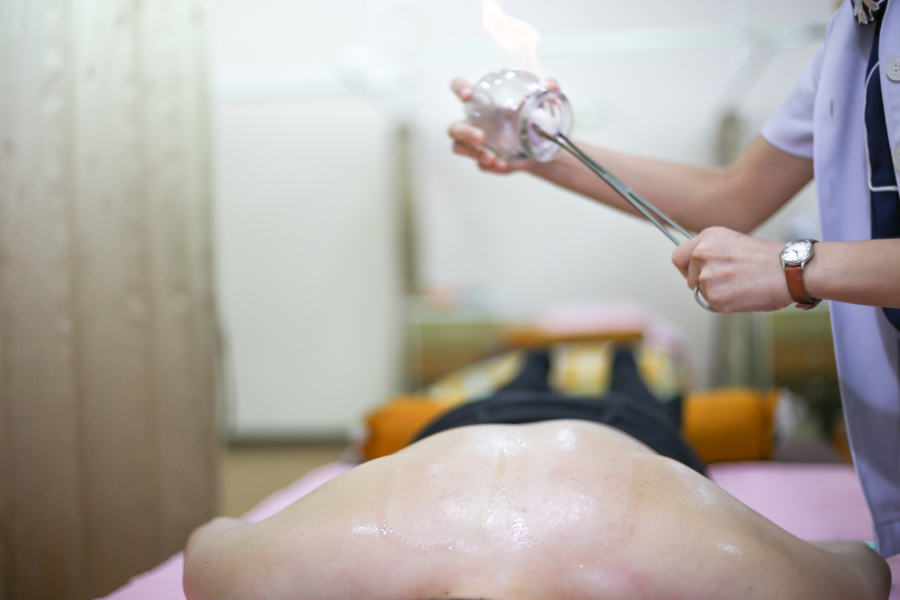
As the name suggests, cupping therapy uses cups placed on the skin, then whether by a pump or fire, a vacuum is formed in the cup. The negative pressure pulls and stretches the skin, fascia, and muscle tissue into the cup. Following this, the body may respond by increasing blood circulation in the treated area. Good blood circulation is very important when it comes to recovery. The improved blood circulation brings fresh oxygenated blood that can replace the stagnated blood that was there before. This can help reduce inflammation and accelerate your body’s ability to recover naturally.

Does Cupping have any Drawbacks?

The main drawback patients report are the round marks. Though often mistaken for bruises, the round marks don’t hurt when touched like bruises. These marks are more akin to a hickey, as the cup does create a good amount of suction force.

Although side effects are rare, some patients have reported that cupping therapy has made them feel nauseous, while others report sweating or dizziness. Depending on the sensitivity of the patient’s skin, they may feel mild soreness in the treated area and a small amount of pain. In most patients, this pain is not noticeable, and there is a feeling of relaxation instead of pain.

What are Those Marks?

As previously stated, the round marks are caused by the suction on the surface of the skin. These marks are temporary and often fade away after some time, depending on the mark itself. Although some may find them unsightly, the round marks can be useful. The color of the marks ranges from pale pink up to dark purple. The intensity of the mark’s color can indicate how your treatment is going. Often the darker the mark signifies severe stagnation, and that area should be focused on. 

The discoloration is temporary, and light red or pink marks will often fade after a day or so. Red, dark red, and purple marks may take longer to heal. Depending on the severity, some of the darker marks can take up to two weeks to completely fade away.

Who Should Avoid Cupping?

While cupping is considered generally safe and viable for many people to help with recovery, patients with certain conditions should avoid cupping. These include:

  • Kidney failure
  • Liver Disease
  • Heart Disease
  • Hemophilia 
  • Anemia

It’s best practice to let the therapist know if you suffer from any of these conditions, as our goal is to help you recover. If you are taking blood thinners or are pregnant, consider talking with your primary care provider before starting a cupping therapy program. 

Cupping is relatively safe as long as you go to a trained health professional. But you could have these side effects in the area where the cups touch your skin:

Take the Next Step In Improving Your Health by Contacting SOHMA Integrative Medicine

Our goal is to help you improve your health. You can reach out to us and ask about the Myers Cocktail, IV Therapy, Chiropractic care, or how our other health service lines can help you with your journey to improved health. 

Located in Long Beach, CA, we help individuals from the surrounding cities.

We look forward to helping you take the next step in your journey to better health.
Filed Under: Cupping Therapy Tagged With: Cupping Therapy, SOHMA Interactive Medicine

When Should You Seek Physical Therapy?

April 11, 2023 by Dr. Daniel Hoover

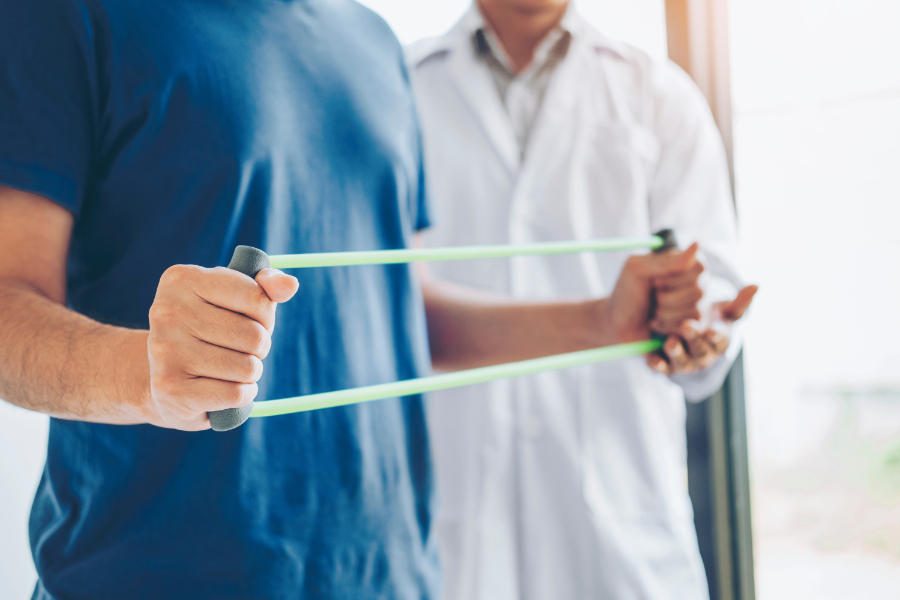
It doesn’t matter how athletic or stationary we are. Minor aches and pains can sneak up on us. If the pain doesn’t subside, physical therapy is available to help. For natural recovery, physical therapy is one of the best options. Uniquely designed for each patient, physical therapy has helped millions return to getting out of pain and balance.

Today we’ll go over what signs to look for, so you can better understand when to seek physical therapy.

Pre and Post Surgery

Surgery is frequently the last solution after all other options have been exhausted. To prepare for surgery, physical therapy may be recommended to you. Especially for those with a high probability of transfer to a rehabilitation center. Physical therapy has been shown to shorten patients’ stay at hospitals by reducing muscle atrophy. Muscle atrophy is usually one of the reasons that can delay a patient from returning to their home.

After surgery, physical therapy can help recover and regain mobility sooner. It also helps to ensure any surgical repairs or replacements will heal correctly. For many patients, physical therapy is used to manage pain. That way, they avoid using potentially dangerous and addictive pain medications.

Chronic Pain

Natural wear and tear is the most common chronic condition treated with physical therapy. This can be caused by aging, injury, or constant stress on a muscle or joint. This can include:

  • Tendonitis
  • Carpal tunnel syndrome
  • Muscle Tears and Sprains
  • Bone fractures
  • Tendon Damage
  • Arthritis
  • Back Pain

As well as conditions that affect the spine, such as scoliosis, stenosis, and herniated discs.

Although physical therapy can’t undo the damage caused by these conditions, it can help to strengthen muscles and joints. Flexibility training can help to diminish the damage caused by aging. Physical therapy is usually one of the preferred choices when dealing with long-term pain.

Primary Care Provider Suggestion

Although you can ask about physical therapy alone, when your primary care provider suggests physical therapy, you should take it seriously. They should have the best knowledge of your unique condition and issues. If physical therapy is a viable solution to your condition, it is wise to take their advice.

In California, it’s not required to have a doctor’s referral to see a physical therapist; however, you should consider letting them know you will do physical therapy so they can understand how your condition is progressing.

After An Injury

Many injuries can be helped by physical therapy. Injuries such as ankle sprains, muscle strain, or tendonitis can happen to everyone, regardless of age, physical fitness, or activity level. After suffering the injury, it’s best practice to get it looked at by your primary care provider to understand the severity of the injury. Ruling out fractures and tears can allow a physical therapist to provide a personalized program to help heal the injury. This program will need to be followed closely. If the patient doesn’t follow the program accordingly, progress may not be seen, resulting in the injury not healing correctly and chronic pain. In the worst case scenario, surgery may even be required. 

Take the Next Step In Improving Your Health by Contacting SOHMA Integrative Medicine

Our goal is to help you improve your health. You can reach out to us and ask about the Myers Cocktail, IV Therapy, Chiropractic care, or how our other health service lines can help you with your journey to improved health. 

Located in Long Beach, CA, we help individuals from the surrounding cities.

We look forward to helping you take the next step in your journey to better health.
Filed Under: Therapy Tagged With: Physical Therapy, SOHMA Interactive Medicine, SOHMA Long Beach

How Does Cupping Help with Recovery?

April 4, 2023 by Dr. Daniel Hoover

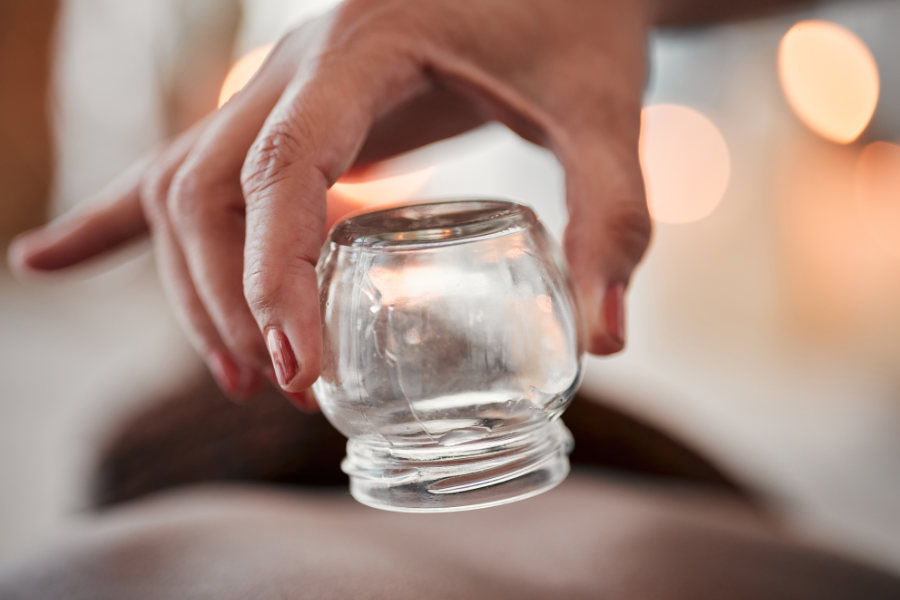
Cupping therapy, glass vacuum cup in hand and woman at spa, therapist with deep tissue massage and wellness. Closeup, treatment at luxury resort with cosmetic, body care and health with acupuncture

Cupping, one of the oldest forms of medicine, has been used for thousands of years in many Asian countries. Cupping uses negative pressure to pull the soft tissue like the skin, fascia, and muscle into a cup that has had the air pumped out of it with a pump or heated to create said negative pressure. When the soft tissue is pulled up into the cup, there may be an increase in blood circulation in the area. This can promote healing as fresh oxygenated blood moves to the treated area. In recent years the popularity of Cupping therapy has increased after many athletes and celebrities have been seen with round marks going down their backs. These marks may look like bruises but are more similar to hickies and can inform you about how well you’re progressing in your therapy.

How does cupping work? And why is it used in recovery? Today we’ll go through how Cupping therapy helps with recovery.

Improved Blood Circulation

Many people underestimate the importance of good blood circulation when recovering from injury. Fresh nutrients and oxygen is needed for healing. Therefore, improving your blood circulation may enhance your body’s ability to heal and recover. When the soft tissue gets pulled into the cup, it naturally increases blood circulation to the treated area. The additional blood circulation can help flush stagnated toxins in the blood while providing the area with fresh oxygenated blood. The increased blood flow has the added benefit of reducing the swelling of the muscles, which can help with pain management and increase mobility. This can help bring the right oxygen balance to the body to support recovery and wellness.

Purge Toxins

Naturally, we have a system within our bodies to deal with removing toxins; however, living in modern cities, we can occasionally overwork that system. A poor diet and stress can be a big reason for the buildup of toxins within the body. Living in a large city where we’re constantly being exposed to smoke from vehicles and cigarettes and heavy metals and chemicals can make it difficult for the body to find balance.

Unable to find this balance, you may notice a sluggish lack of energy. This can be what is called oxidative stress. This happens when there is an imbalance between the production of free radicals and antioxidants. It can lead to pain, swelling, and in extreme cases, diabetes or cancer.

Cupping can help eliminate some of the toxins built up by promoting increased blood circulation. This lets healthy, oxygenated blood flush out the stagnant blood in the treated area.

Improved Mental Health

You may wonder how your skin, fascia, and muscle being pulled into a cup can help with your mental health. Cupping therapy helps indirectly by activating your parasympathetic nervous system as the cups glide over your body during a cupping massage. The parasympathetic nervous system is responsible for lowering your heart rate. When the parasympathetic nervous system is activated, it produces a tranquil and soothing feeling in your body and mind—loosening tension in your muscles which may reduce stress and anxiety without needing medication.

Many patients have stated that they have had better sleep quality after cupping therapy. Less tension and toxins in the body can allow longer, more consistent sleep. The correlation between the lack of sleep and people suffering from some mental health disorders such as anxiety has been well documented. It’s not uncommon for people suffering from anxiety to have difficulty going to sleep and staying asleep. Without the healing effects of a good night’s sleep, it’s difficult for some people to improve their mental health.

Take the Next Step In Improving Your Health by Contacting SOHMA Integrative Medicine

Our goal is to help you improve your health. You can reach out to us and ask about the Myers Cocktail, IV Therapy, Chiropractic care, or how our other health service lines can help you with your journey to improved health. 

Located in Long Beach, CA, we help individuals from the surrounding cities.

We look forward to helping you take the next step in your journey to better health.

Filed Under: Cupping Therapy Tagged With: SOHMA Interactive Medicine, SOHMA Interactive Medicine Pain, SOHMA Long Beach

What are the Top 5 Side Effects of Myer’s Cocktail?

March 24, 2023 by Dr. Daniel Hoover

At SOHMA Integrated Medicine of Long Beach, CA, we offer the Myer’s cocktail IV therapy. Myers cocktail IV therapy has been shown to help with a variety of ailments, including:

  • Boosting Immune System
  • Improved Blood Circulation
  • Dehydration
  • Fatigue
  • Hangovers
  • Mental Health

It has also been used to help people suffering from migraines and upper respiratory issues. The perfectly crafted blend of vitamins and minerals in the Myer’s cocktail includes Vitamin C, B complex, Magnesium, and Calcium. 

As we age, our bodies absorb nutrients differently, and a supplementary source of vitamins and minerals may be necessary to keep your body in balance. Myer’s cocktail IV therapy has the benefit of bypassing the digestive system allowing your body to make full use of the nutrients provided by the IV therapy. This gives the body a higher, more concentrated dose, available immediately.

Although IV therapy is generally safe, it’s best to understand any potential risk, regardless of how rare, in order to make the best choice for your health. Today we will go over the top 5 side effects of Myer’s cocktail IV therapy.

Allergic Reaction

With many intravenous practices, there is a risk of potential allergic reactions in some patients. This can be caused by the serum or the instruments used to administer the IV. Usually, this occurs if the patient is unaware of their allergies or fails to disclose them to the staff. This kind of allergic reaction may cause itching, a rash, and, in some cases, swelling and/or blistering on the injection site. Allergic reactions rarely affect the majority of patients. However, if you feel any allergic reaction symptoms, inform the IV professionals to stop and avoid further issues.

Negative Medication Interaction

It’s essential to disclose to the staff at SOHMA if you have been prescribed any medication when asking about the Myer’s cocktail. It is possible that some medicines can have adverse reactions to the blend of vitamins and minerals in the Myer’s cocktail blend. Vitamins are natural and largely safe, as whatever the body doesn’t need eventually excretes on its own. Nevertheless, if you take medication, the vitamins and electrolytes may interact adversely with them, such as medication to stimulate red blood cell production. If you have any doubts about harmful interactions between your medication and the Myer’s cocktail, feel free to ask the staff of SOHMA for any additional information or ask your primary care provider to see if it’s safe.

Visual Injection Point and Soreness

Because of the nature of how IV therapy is administered, there may be a visible mark at the injection point. This can also result in irritation and soreness. There isn’t an issue the majority of times, and it will heal within a couple of days, although in rare cases, it can take the patients a couple of weeks to recover from it. This is typically dependent on the patient’s skin sensitivity.  However, this is typical of most intravenous procedures. Such as when blood is being donated or drawn for laboratory examination.

Prior Conditions

If a patient has prior conditions, it’s important to understand if Myer’s cocktail IV therapy is appropriate for them. Patients who suffer from kidney disease or alcoholism should consult before proceeding as this can cause abnormalities in their blood levels of magnesium or potassium. This imbalance can cause problems such as abnormal heart rhythms and muscle weakness.

Upset Stomach

Because every patient is different, sometimes IV therapy can be administered too quickly for some patients. However, there is essentially no risk of overdosing or being poisoned because of this. Some patients have had rare side effects in which the patient has an upset stomach afterward.

Myer’s Cocktail IV therapy is incredibly safe, and these side effects are extremely rare.

Take the Next Step In Improving Your Health by Contacting SOHMA Integrative Medicine

Our goal is to help you improve your health. You can reach out to us and ask about the Myers Cocktail, IV Therapy, Chiropractic care, or how our other health service lines can help you with your journey to improved health. 

Located in Long Beach, CA, we help individuals from the surrounding cities.

We look forward to helping you take the next step in your journey to better health.

Filed Under: Therapy Tagged With: IV Drip, IV Therapy, IV Therapy for Health, Myer's Cocktail, SOHMA Interactive Medicine

How Long Does Physical Therapy Usually Last?

March 17, 2023 by Dr. Daniel Hoover

Senior man after stroke at nursing home exercising with professional physiotherapist

Physical therapy is a treatment used to aid in the recovery of various conditions and injuries. It uses different forms of passive mobilization, facilitated stretching, therapeutic massages, electrotherapy, ultrasound therapy, and targeted exercises to help muscle imbalance re-education aimed at a full recovery to prevent further injury and pain.

All body parts can be treated with physical therapy. Every case is different, and some patients may feel there isn’t progress. This isn’t true, as physical therapy often has minor improvements that are not immediately noticed. For significant injuries, it can take numerous months before treatment ends. Many patients might be under the impression that it may not be worth the time needed.

Today we’ll review how long physical therapy lasts and when to know your body is ready to stop.

What does Physical Therapy Treat?

As previously stated, physical therapy can aid in the recovery of nearly every body part and injury to a certain extent. For example, after a bone breaks, it needs to remain immobilized in a cast while the bone heals. After the bone is repaired, you’ll need to strengthen the muscle around it to not re-injure the healed bone. Other conditions physical therapy can treat include:

  • Muscle sprains
  • Muscle tears
  • Tendonitis
  • Bone Fractures
  • Post Surgery Recovery
  • Carpal Tunnel Syndrome

As well as several other conditions. When recovering from injuries, physical therapy is one of the most common forms of treatment, often avoiding surgery altogether. Though some situations may still require surgery, physical therapy can help you develop supporting muscles to help with post-surgery recovery. After surgeries, physical therapy is used to help reduce swelling and inflammation caused by the surgery. Some patients fear that physical therapy can cause more pain, which is generally untrue as physical therapy is designed with your current conditions in mind.

How Long Does Physical Therapy Last?

There’s no exact metric for this. Physical therapy can take months to recover fully. Every patient will have a unique program based on strengths and weaknesses to help their specific condition. Other factors include lifestyle, physical condition, age, and mindset.

Although there is no accurate number for calculating how long your physical therapy treatment will take, there are general time frames you can consider. Minor injuries can be treated with as little as 2 or 3 sessions. Injuries in the tendons and muscles may take 1 to 2 months. At the same time, chronic conditions and serious injuries can take much longer. For example, patients who undergo ACL reconstruction surgery may be required to do physical therapy for up to 6 months before regaining the full range of motion needed to relieve knee pain and strengthen the joint.

Post Treatment

Once you’ve recovered and reached the end of your physical therapy program, your therapist will give you additional instructions for using what you learned during the sessions in your day-to-day life. However, no longer part of physical therapy itself. Some of these instructions are meant for you to keep strengthening the injury and ways to ease back into activities that put some strain on the treated area. This can include stretches, exercises, and rules to avoid pain and re-injuring yourself.

Take the Next Step In Improving Your Health by Contacting SOHMA Integrative Medicine

Our goal is to help you improve your health. You can reach out to us and ask about the Myers Cocktail, IV Therapy, Chiropractic care, or how our other health service lines can help you with your journey to improved health. 

Located in Long Beach, CA, we help individuals from the surrounding cities.

We look forward to helping you take the next step in your journey to better health.

Filed Under: Physical Therapy Tagged With: Physical Therapy, sohma, SOHMA Interactive Medicine

  • « Go to Previous Page
  • Page 1
  • Page 2
  • Page 3
  • Page 4
  • Interim pages omitted …
  • Page 20
  • Go to Next Page »

Footer

Contact Us

SOHMA Integrative Medicine – Long Beach

Email
drdanielhoover@sohma.org

Follow Us on Instagram Instagram


WCAG

The Web Content Accessibility Guidelines (WCAG) defines requirements for designers and developers to improve accessibility for people with disabilities for websites, such as for SOHMA Integrative Health Center. It defines three levels of conformance: Level A, Level AA, and Level AAA. SOHMA is partially conformant with WCAG 2.1 level AA. Partially conformant means that some parts of the content do not fully conform to the accessibility standard.

Our goal here at SOHMA is to make our website accessible to all visitors; unfortunately, our goal for 100% accessibility is not yet complete. Our goal is to provide universal access to our website by following WCAG 2.0 (current WCAG 2.1) A, AA guidelines; however, this will be a work in progress.

Feedback

We welcome your feedback on the accessibility of SOHMA’s website. Please let us know if you encounter accessibility barriers on our website. We are here to help. You can reach us below at:

Phone: (562) 420-2112
E-mail: accessibility@sohma.org
Postal address: 4195 N. Viking Way, Long Beach, CA 90808
We try to respond to feedback within 5 business days.

SOHMA Integrative Medicine

Connect With Us

VA Authorized

SOHMA Integrative Medicine | Privacy Policy | Copyright © 2026

Designed by ITSOPRO