• Skip to main content
  • Skip to footer

SOHMA Integrative Medicine

We offer the best of Eastern & Western medicine without using drugs or surgery

  • Tai Chi
    • Tai Chi Benefits
    • Tai Chi Instructors
    • Online Tai Chi Certification Program
  • Physical Medicine
    • Chiropractic Care
      • VA Authorized Care
      • Sports Medicine
      • Digital X-Rays
    • Physiotherapy
    • Spinal Decompression
    • Laser Therapy
    • Shockwave Therapy/Piezowave
    • Cupping Therapy
    • Acupuncture
    • Herbal Pharmacy
    • VA Authorized Care
  • Blogs
  • About
    • Our Providers
  • Contact Us
    • Make an Appointment
    • New Patient Intake Forms

SOHMA Long Beach

Questions to Ask Before Getting an HCT/P Injection

May 24, 2022 by Dr. Daniel Hoover

It’s important to ask your healthcare provider questions before receiving HCT/P injections.

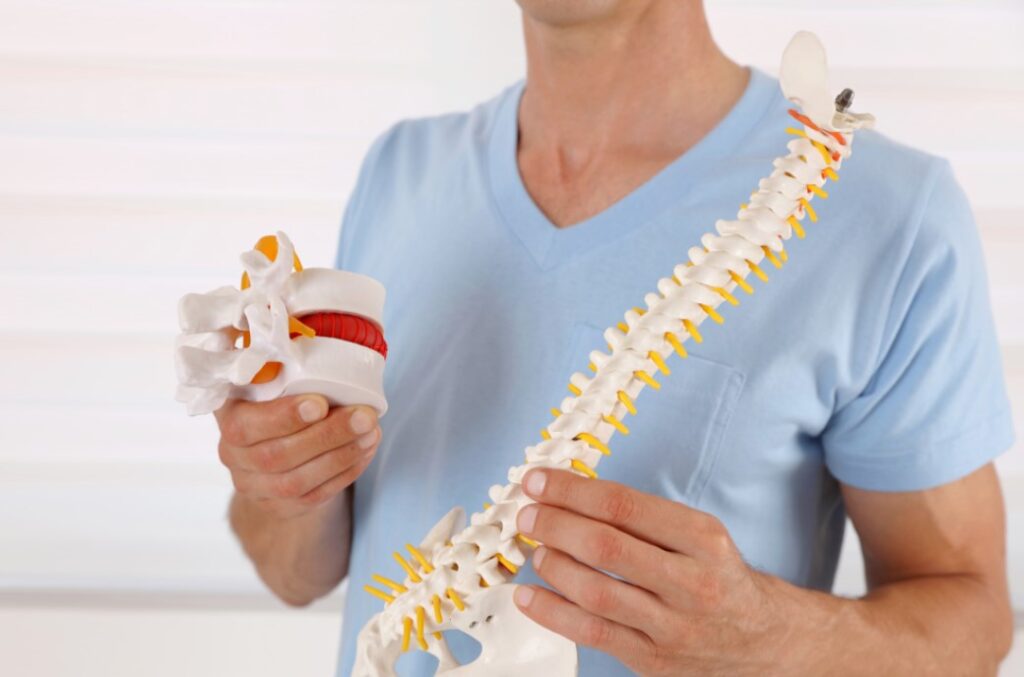
Any procedure involving needles can be intimidating. That’s understandable, at SOHMA Integrative Medicine in Long Beach CA want our patients to recover and heal naturally. HCT/P injections help by letting your body repair damaged tissue or regenerate lost tissue. Helping relieve pain and return some mobility to your joints and body.

Today I want to go over what questions you should ask before getting HCT/P Injections. Join me as I clear up any misconceptions you may have towards this procedure.

What are HCT/P Injections Used for?

HCT/P injections are used to treat a wide variety of conditions. Some of the more common injuries treated with HCT/P injections include:

  • Arthritis
  • Trauma caused by injury
  • Ligament or muscle tear or strain
  • Muscle pain
  • Inflammation
  • Chronic joint pain

HCT/Ps heal many kinds of bone and soft tissue problems. In the injection site, growth factors become triggered. Over the following days or weeks, cells may grow, multiply and form new tissue.

How Long Does HCT/P Injections Last?

Like many procedures, longevity of the treatment is dependent on the patient, and severity of the condition or injury. It has been shown that using HCT/P can result in lasting pain relief of arthritis for over 6 months up to several years. Due to every patient’s reaction to treatment being different it is difficult to put an accurate result however, results show to be positive from the majority of patients.

How Many Treatments Will I Need with HCT/P?

Depending on how fast a patient heals and the severity of the injury it is possible that only one treatment will be needed to relieve pain and recover from injury. If several months go without any noticeable improvements, your primary care provider may consider repeating the treatment. In order to further aid healthy tissue growth. During consultation they should be able to communicate what to expect in regards to your injury.

How Long Before HCT/P Begin to Show Effect?

Because the body is beginning to start making new tissue with the HCT/P injections, it will take some time for treatment to start working. Some patients have described a dramatic reduction in pain levels in a few as a couple months. Other patients have reported to experience improvement within the first months. Each patient responds differently to treatment, depending on their body.

What are the Side Effects of HCT/P Injections?

Side effects are not common, after application there may be some discomfort. In the area of the injection site there may be increased sensitivity. In some cases, especially ones involving nerve damage, an increase in nerve sensation can be seen as a side effect. 

The doctor may advise to refrain from heavy activity for a couple of days after administration of HCT/P injections. Usually this is the length of time needed for recovery after the procedure.

Do HCT/P Injections Hurt?

Being injections, HCT/P injections will hurt to a certain extent. Usually for only a few seconds. Depending on the area being injected it will vary on the level of discomfort. HCT/P injections much like any other injections will have a level of pain due to the needle piercing the soft tissue. For the most part, the injections are no more painful than any other joint or soft tissue injection.

Take the Next Step In Improving Your Health by Contacting SOHMA Integrative Medicine

Our goal is to help you improve your health. You can reach out to us and ask us about the Myers Cocktail, IV Therapy, Chiropractic care, or how our other health service lines can help you with your journey to improved health. 

Located in Long Beach, CA we help individuals from the surrounding cities.

We look forward to helping you take the next step in your journey to better health.
Filed Under: Therapy Tagged With: Joint Injection, Platelet Rich Plasma Treatment, SOHMA Interactive Medicine, SOHMA Long Beach

Can Cupping Help with Anxiety?

May 14, 2022 by Dr. Daniel Hoover

Undergoing cupping therapy has additional benefits for both the body and mind.

In recent years the importance of mental health has been made clear. Every day more and more people are being diagnosed with some kind of mental health condition like anxiety. Today we want to share with you how cupping therapy can help reduce anxiety and alleviate some of the stress that comes with it.

What is Anxiety?

Anxiety has many forms of manifesting itself and acts differently depending on each person. Everyone feels anxious from time to time. It is normal for most people to have feelings of anxiety, it is the brain’s way of reacting to things that can be stressful. It is meant to alert you if there is any potential danger near. It is okay to feel anxious before making important decisions, when facing difficult work problems, or for students about to take a difficult test.

When anxiety becomes a mental health disorder is when you feel the symptoms of anxiety more regularly and more intensely. Excessive and constant worry and fear about everyday situations. Higher heart rates, hyperventilating, tension, exhaustion, and sweating can occur. Often causing panic attacks. You should seek your primary care provider if you can not work, complete daily tasks, find it difficult to maintain relationships, or are abusing substances. It’s important for us to know the degree of anxiety to properly treat each individual patient.

What is Cupping Therapy?

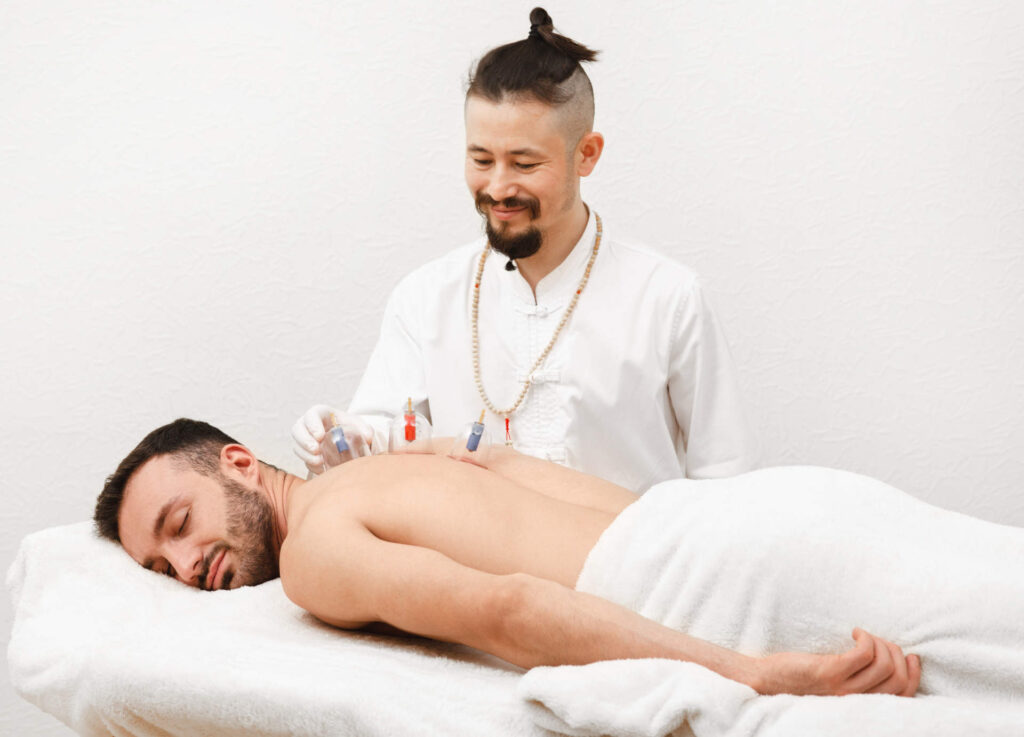
Cupping therapy is a Chinese traditional medicine when a small vacuum is formed within a cup whether by heating the cup or using a pump and placed atop the skin. The vacuum formed then sucks the skin into the cup along with the fascia, muscle, and other soft tissues. The cupping process causes vasodilation, which increases blood circulation to the treated areas. Removing stagnant toxins and circulating fresh oxygenated blood to the affected area. 

When performed by a well-trained practitioner such as the ones staffed at SOHMA Integrative Medicine in Long Beach CA, the risks and side effects are minimal. The only thing left behind is round marks left by the cup which can give an insight into how well the therapy is working. Darker marks may require more treatment in that area than lighter marks.

Cupping Therapy and Mental Health

You may be wondering how getting your skin and soft tissue pulled into a cup can help with anxiety. Cupping therapy helps indirectly by activating your parasympathetic nervous system as the cups glide over your body. The parasympathetic nervous system is responsible for lowering your heart rate and helping with digestion. When active the parasympathetic nervous system produces a calm and relaxing feeling in your body and mind. This reaction can loosen tension in your body which may result in a reduction in stress and anxiety.

Additionally cupping therapy promotes better sleep quality by reducing pain and removing toxins from the body. Allowing for longer consistent sleep helps with mental and physical recovery. It is well documented that there is a correlation between the lack of sleep and people who are prone to suffering from anxiety. As well as people suffering from anxiety have a hard time staying asleep. Without the rejuvenating effects of a good night’s sleep, it is possible for people to spiral into an unhealthy cycle that can be dangerous for their mental health.

Is Cupping Therapy Right for You?

Cupping therapy is a safe practice although there are some exceptions. If you have bleeding disorders like Hemophilia or blood clotting issues like deep vein thrombosis. If you have a history of strokes or seizures you should ask about your condition before receiving cupping therapy. If you have skin conditions like psoriasis or eczema your skin may become irritated when having cupping therapy.

Take the Next Step In Improving Your Health by Contacting SOHMA Integrative Medicine

Our goal is to help you improve your health. You can reach out to us and ask us about the Myers Cocktail, IV Therapy, Chiropractic care, or how our other health service lines can help you with your journey to improved health. 

Located in Long Beach, CA we help individuals from the surrounding cities.

We look forward to helping you take the next step in your journey to better health.

Filed Under: Cupping Therapy, Therapy Tagged With: Cupping Therapy, sohma, SOHMA Interactive Medicine, SOHMA Lakewood, SOHMA Long Beach

Joint Injections for Knee Injuries

May 13, 2022 by Dr. Daniel Hoover

Joint injections in knees can help increase recovery from injury and even improve ailments without surgery.

Your knees are some of the most important joints in your body. We use them to walk, run and jump. Keeping your knees healthy is one of the best ways to maintain mobility. Unfortunately as we age the risk of injuring our knees becomes greater. Knee injuries go farther than just a simple sprain where you can recover with some rest. 

In today’s article we’re going to go over what joint injections we offer at SOHMA of Long Beach CA, and what they can do to help you recover from knee injuries.

Knee Injuries that Joint Injections can Treat

Let me preface this by saying that joint injections do not treat all injuries. If there is a fracture or a severe tear you may require surgery however, post surgery joint injections have been shown to help recovery times. PRP therapy has been used by doctors to help patients heal faster after surgical procedures. It has been shown to shorten recovery times by days, in some cases even weeks.

Your knees are a major joint in the body, making it a common area to sustain injury. Some of the more common injuries that have been treated with HCTPs or PRP include:

  • Arthritis
  • Trauma
  • Ligament or Muscle Tear
  • Ligament or Muscle Strain
  • Muscle Pain
  • Inflammation
  • Chronic Knee Pain

Relatively minor accidents can result in knee injury. For older adults a slip or fall can cause life altering fractures or dislocation.

What are Joint Injections?

Starting off with the basics, joint injections are as the name suggests, they are injections that are used to help in recovery from joint conditions. At SOHMA we offer both Human Cellular Tissue Products (HCTPs) or Platelet Rich Plasma (PRP). HCTP injections can aid the body in healing damage on its own without the need for surgeries. Tissue can be regrown to its former strength and recover the functions in highly used areas of the body such the spine, hips, shoulder, knees and other major joints. In PRP therapy, blood is drawn from the patient into a vial and separated in a centrifuge. Once separated, we draw the PRP from the vail and use it in the treatment. Meaning its the patient’s own platelets being used in areas that need healing support like  muscles and joints.

Long Term Effects of Knee Injuries

As stated previously there are many different types of injuries one can sustain in the knees. Depending on the type of injury sustained, as well as how long the patient went without treatment, long term effects can vary. If left untreated, knee injuries can lead to many mobility problems, pain, and early onset of arthritis.

A decrease in range of motion of the knees can make you unable to bend the knee fully or completely straighten the knee out. When you lose mobility in your knees the decreased mobility makes running nearly impossible and walking becomes difficult and puts you at risk of further injury due to loss of balance. Sitting and standing from chairs can also become uncomfortable and difficult.

Arthritis usually is thought of as something that affects older adults. Due to it being associated with aging and natural wear and tear. Injury suffered at a young age has been shown to increase the risk of early onset osteoarthritis. Sport related injuries like ACL or meniscus tears are often associated with a form of post-traumatic form of osteoarthritis.

Take the Next Step In Improving Your Health by Contacting SOHMA Integrative Medicine

Our goal is to help you improve your health. You can reach out to us and ask us about the Myers Cocktail, IV Therapy, Chiropractic care, or how our other health service lines can help you with your journey to improved health. 

Located in Long Beach, CA we help individuals from the surrounding cities.

We look forward to helping you take the next step in your journey to better health.
Filed Under: Therapy Tagged With: Joint Injection, rehabilitation, sohma, SOHMA Interactive Medicine, SOHMA Interactive Medicine Pain, SOHMA Long Beach

What Are the Side Effects of Spinal Decompression?

April 30, 2022 by Dr. Daniel Hoover

Back pain may be treated by spinal decompression with little to no side effects.

Non-surgical Spinal Decompression can help with many pains and aches you may be suffering due to diseases or sitting for long periods of time, as your spine is being compressed by gravity. 

We have gone over if non-surgical Spinal Decompression is good for your spine, but perhaps you are wondering if there are any side effects to non-surgical Spinal Decompression. If there are, then what are they?

Today we’re going to cover what you should expect after Spinal Decompression therapy as well as any side effects you may be worried about.

How is Spinal Decompression Performed?

We should first start by answering how this therapy is performed. The patient is set up on a specialized decompression table called a spinal traction. The patient is then gently stretched in intervals according to each individual patient’s treatment. During the treatment the patient is fully dressed and takes only about 30 to 45 minutes.

This therapy has been shown to be an effective treatment that brings relief to patients with a wide variety of neck and back problems. The decompression pressure from the spinal traction may retract disc bulges and disc protrusions. Which can reduce pressure from nearby nerves and encourage blood flow. Increased blood flow brings oxygen with it which promotes healing.

What are the Side Effects?

With any treatment, therapy or procedure there are bound to be some side effects regardless of how minimally invasive it is, however the majority of patients do not experience any serious side effects from non-surgical Spinal Decompression. 

The most common side effects would be dull aches for the first couple weeks as the body adjusts to the decompression. Spinal Decompression stretches the back muscles in a direction that they are not accustomed to. This may leave some patients feeling the same type of soreness one would feel after a particularly hard day at  the gym.

On rare occasions Spinal Decompression can cause muscle spasms, or pain going down the patient’s arms and legs. 

Is Spinal Decompression for Me?

As an alternative to spinal decompression surgery, this non-invasive therapy is quite alluring. Although there is no significant recovery time from non-surgical Spinal Decompression some patients may require 4 to 6 weeks for treatment to be complete before they experience lasting relief which can be too slow for some people. 

Non-surgical Spinal Decompression therapy has been gaining popularity quickly. Many physical benefits like increased mobility, improved joint flexibility and general pain reduction have been well documented. Other benefits of choosing non-surgical Spinal Decompression over something invasive include removing the risk of having post surgery infections. Patients are not required to take any additional medication or painkillers. Once treatment is completed, non-surgical Spinal Decompression provides lasting natural pain relief whereas painkillers only reduce pain while it is active in your body. When compared to surgery, this treatment is  safer, faster and requires no downtime compared to post surgery recovery times. 

As safe as non-surgical Spinal Decompression is, there are some people who should ask their primary care provider before deciding to receive Spinal Decompression therapy these include:

  • Pregnant Woman
  • Patients with degeneration of the spine
  • Patients with severe osteoporosis
  • Patients with surgical implants (screws, rods, plates etc.)
  • Patients with severe nerve damage
  • Patients who have had spinal fusion surgery
  • Patients with tumors
  • Patients with spinal fractures.

To avoid as many risks as possible the patient may be asked to undergo screening tests to rule out any of the conditions listed above. Feel free to ask the staff at SOHMA of Long Beach CA if you have any questions or concerns regarding Spinal Decompression.

Take the Next Step In Improving Your Health by Contacting SOHMA Integrative Medicine

Our goal is to help you improve your health. You can reach out to us and ask us about the Myers Cocktail, IV Therapy, Chiropractic care, or how our other health service lines can help you with your journey to improved health. 

Located in Long Beach, CA we help individuals from the surrounding cities.

We look forward to helping you take the next step in your journey to better health

Filed Under: Therapy Tagged With: rehabilitation, SOHMA Interactive Medicine, SOHMA Interactive Medicine Pain, SOHMA Long Beach, Spinal Decompression

How is Spinal Decompression Done?

April 22, 2022 by Dr. Daniel Hoover

spinal decompression

There are two forms of Spinal Decompression. Surgical and non-surgical, but let’s steer away from any surgical procedures that may leave you bedridden for weeks, and focus more on the non surgical Spinal Decompression which can bring relief to patients without the need of invasive surgeries and long recovery times.

You may have some questions about how the procedure is done. You may also be wondering about what causes spinal compression. Today we’ll be going over some of those questions, and why you should consider non-surgical Spinal Decompression before attempting surgery. Join us as we give you an overview on how and why non-surgical Spinal Decompression is done.

What Causes Spinal Compression?

Spinal compression can be caused by a number of conditions and is caused when excess pressure is put on the spinal cord. Compression can occur through the back, bother cervical spine (neck) and lumbar spine (lower back). Naturally wear and tear of the bones of the spine is the most common cause of spinal compression. Usually you’ll begin to see this develop after 50 years old. The other conditions that can cause compression include:

  • Scoliosis
  • Injury
  • Tumor
  • Arthritis
  • Infection
  • Diseases
  • Posture

Depending on the location and cause of the compression, the symptoms can vary. They can develop suddenly with no warning, or gradually. In severe cases however, emergency surgery may be necessary. 

Spinal Compression Symptoms

As mentioned previously symptoms have no pattern of when they occur. Being vigilant about symptoms can lead to swift treatment and quicker recoveries. Some of the symptoms are:

  • Trouble with Coordination
  • Loss of sensation in the feet
  • Numbness
  • Cramping
  • Weakness in Limbs (arms, hands, legs)
  • Burning pain in arms, thighs, or legs
  • Stiffness in Neck, and Back
  • Pain in Neck, and Back

Symptoms that would require immediate medical attention include loss of control of bowels or bladder. Severe pain and weakness spreading to your leg or both legs causing difficulty walking or standing and extreme numbness between legs, and inner thighs. As these symptoms are known as Cauda Equina Syndrome. 

How is the Decompression Done?

Spinal Decompression is when you slowly and gently pull at either side of the spine in order to release any pressure that may have been built up within the spine. At SOHMA of Long Beach we perform non-surgical Spinal Decompression by securing the patient to a specialized decompression table called a spinal traction. You are fitted with a harness to hold your abdomen and your pelvis. The spinal traction is the ability to stretch and relax intermittently to achieve the right amount of tension for desirable results. When the spine is being decompressed, vertebrae can naturally reposition to their original state. 

The procedure lasts around 30 to 45 minutes, compared to spinal surgery that can take weeks or months to heal. Depending on the severity of the case, some patients may need over 20 decompression sessions. Though you feel more flexible, and notice significantly less pain in your neck and back. 

Other benefits you may notice from non-surgical Spinal Decompression include increased spinal mobility, improved balance which can help prevent new injuries and reduced stress level as some of the pressure has quite literally been lifted.

With non-surgical Spinal Decompression most patients don’t notice or experience major side effects. Most common side effects have been reported to cause a dull soreness for the first few days as the body becomes used to being decompressed.

Take the Next Step In Improving Your Health by Contacting SOHMA Integrative Medicine

Our goal is to help you improve your health. You can reach out to us and ask us about the Myers Cocktail, IV Therapy, Chiropractic care, or how our other health service lines can help you with your journey to improved health. 

Located in Long Beach, CA we help individuals from the surrounding cities.

We look forward to helping you take the next step in your journey to better health

Filed Under: Therapy Tagged With: SOHMA Interactive Medicine, SOHMA Interactive Medicine Pain, SOHMA Long Beach, Spinal Decompression

  • « Go to Previous Page
  • Page 1
  • Interim pages omitted …
  • Page 8
  • Page 9
  • Page 10
  • Page 11
  • Page 12
  • Interim pages omitted …
  • Page 15
  • Go to Next Page »

Footer

Contact Us

SOHMA Integrative Medicine – Long Beach

Email
drdanielhoover@sohma.org

Follow Us on Instagram Instagram


WCAG

The Web Content Accessibility Guidelines (WCAG) defines requirements for designers and developers to improve accessibility for people with disabilities for websites, such as for SOHMA Integrative Health Center. It defines three levels of conformance: Level A, Level AA, and Level AAA. SOHMA is partially conformant with WCAG 2.1 level AA. Partially conformant means that some parts of the content do not fully conform to the accessibility standard.

Our goal here at SOHMA is to make our website accessible to all visitors; unfortunately, our goal for 100% accessibility is not yet complete. Our goal is to provide universal access to our website by following WCAG 2.0 (current WCAG 2.1) A, AA guidelines; however, this will be a work in progress.

Feedback

We welcome your feedback on the accessibility of SOHMA’s website. Please let us know if you encounter accessibility barriers on our website. We are here to help. You can reach us below at:

Phone: (562) 420-2112
E-mail: accessibility@sohma.org
Postal address: 4195 N. Viking Way, Long Beach, CA 90808
We try to respond to feedback within 5 business days.

SOHMA Integrative Medicine

Connect With Us

VA Authorized

SOHMA Integrative Medicine | Privacy Policy | Copyright © 2026

Designed by ITSOPRO