• Skip to main content
  • Skip to footer

SOHMA Integrative Medicine

We offer the best of Eastern & Western medicine without using drugs or surgery

  • Tai Chi
    • Tai Chi Benefits
    • Tai Chi Instructors
    • Online Tai Chi Certification Program
  • Physical Medicine
    • Chiropractic Care
      • VA Authorized Care
      • Sports Medicine
      • Digital X-Rays
    • Physiotherapy
    • Spinal Decompression
    • Laser Therapy
    • Shockwave Therapy/Piezowave
    • Cupping Therapy
    • Acupuncture
    • Herbal Pharmacy
    • VA Authorized Care
  • Blogs
  • About
    • Our Providers
  • Contact Us
    • Make an Appointment
    • New Patient Intake Forms

SOHMA Long Beach

Peripheral Neuropathy and Your Heart

April 18, 2022 by Dr. Daniel Hoover

Peripheral Neuropathy is common, with about 25% to 30% of Americans will be affected by it at some point in their lives. Older adults ages 60+ however,  are at an increased risk. Most symptoms of Peripheral Neuropathy may diminish or go away on its own, but in some cases the damage can be permanent. 

Today we’re going to analyze the link between your heart and peripheral neuropathy.

Understanding Peripheral Neuropathy

Peripheral Neuropathy can develop when the nerves in your limbs, hands and feet become damaged. Symptoms can vary depending on the nerves being affected. Such as sensory nerves that carry messages from your five senses. Motor nerves which carry signals from your brain to your muscles in order to walk for example. The final group of nerves that can be affected by Peripheral Neuropathy are the Autonomic nerves. These are responsible for body functions that you don’t have direct control over like breathing, digestion, heart rate and blood pressure, sweating, and even bladder and bowel control.

When your Autonomic nerves begin to suffer from neuropathy it is called autonomic neuropathy. There are many diseases and conditions that can lead to autonomic neuropathy, as well as side effects of medicine. 

Cardiac autonomic neuropathy is the least understood complication of Peripheral Neuropathy. Due to its potential of being fatal, it’s important to ask your primary care provider for a proper diagnosis.

 Primary diseases that can cause autonomic neuropathy include:

  • Parkinson’s Syndrome
  • Shy-Drager Syndrome
  • Riley-Day Syndrome

Other examples of causes of autonomic neuropathy can include:

  • Amyloidosis
  • Diabetes
  • HIV
  • Chemotherapy
  • Trauma
  • Alcoholism
  • Drug abuse

Your Heart and Peripheral Neuropathy

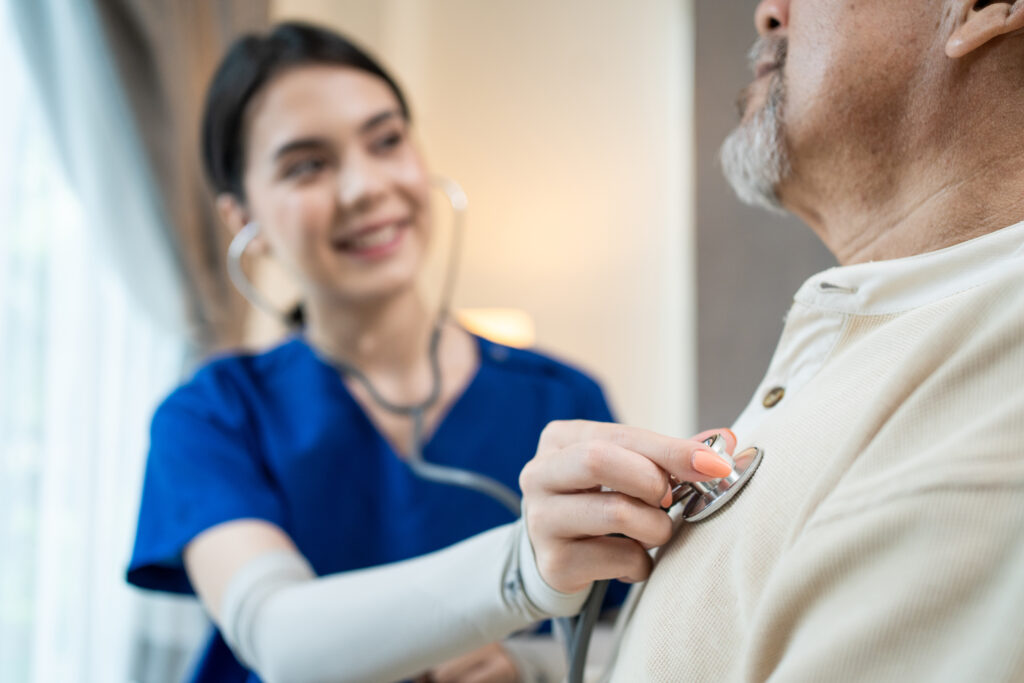
We don’t need to go into detail about the functions of your heart or how important it is to your health and well being. But Peripheral Neuropathy can affect and damage different nerves. Some of the nerve damage can block or interfere with signals between the heart and blood vessels which can lead to serious symptoms like:

  • Palpitations
  • Hypertension
  • Irregular Heartbeat
  • Blurred Vision
  • Lightheadedness
  • Fainting
  • Shortness of Breath
  • Chest Pain

Because of the varied symptoms, oftentimes this form of neuropathy can be misdiagnosed, making it more difficult to treat and study.

Managing your Symptoms

With many conditions, learning to manage your symptoms is important in order to recover and heal. Peripheral neuropathy is no different. 

Drinking a cup of water first thing in the morning, even before getting out of bed can help regulate blood pressure and may improve orthostatic intolerance, a condition involving symptoms associated when standing but improve when lying down.

Reduce the number of large meals that can lower your blood pressure during digestion. Instead have more frequent but smaller meals throughout the day.

Reduce consumption of sodas, energy drinks, coffee or other heavily caffeinated drinks as they may increase production of urine and reduce blood volume.

Exercise is a great way to increase blood volume and physical function. You can exercise wherever you feel comfortable whether it be a gym, at home or a local park. Ideal exercises include swimming, yoga, Tai Chi or other low impact exercises that won’t cause orthostatic stress.

Along with leading a proactive lifestyle to help with your condition, you should also avoid the following:

  • Alcohol 
  • Extremely Hot Environments
  • Smoking
  • Standing Quickly from a Lying Position

Don’t forget to take the appropriate steps to prevent, control and recover from Peripheral Neuropathy. At SOHMA Integrative Medicine in Long Beach CA we now offer regenerative cellular tissue therapy, which may be covered by Medicare. By administering HCTPs (Human Cellular Tissue Products) in affected areas, the body may be able to repair nerve damage.

Take the Next Step In Improving Your Health by Contacting SOHMA Integrative Medicine

Our goal is to help you improve your health. You can reach out to us and ask us about the Myers Cocktail, IV Therapy, Chiropractic care, or how our other health service lines can help you with your journey to improved health. 

Located in Long Beach, CA we help individuals from the surrounding cities.

We look forward to helping you take the next step in your journey to better health
Filed Under: Therapy Tagged With: peripheral neuropathy, SOHMA Interactive Medicine, SOHMA Interactive Medicine Pain, SOHMA Long Beach

Can You do Your Own Spinal Decompression at Home?

April 7, 2022 by Dr. Daniel Hoover

Most of our waking hours are spent standing or sitting vertically. This means that your spine is regularly working against the force of gravity in order to keep posture upright. This pressure puts constant strain on your spine and causes it to become compressed. The compression on the vertebrae can put pressure on our spinal cord and its associated muscles. Which can cause discomfort and pain.

Today we’ll go over what spinal decompression is and if you should attempt to decompress your spine at home.

What is Spinal Decompression?

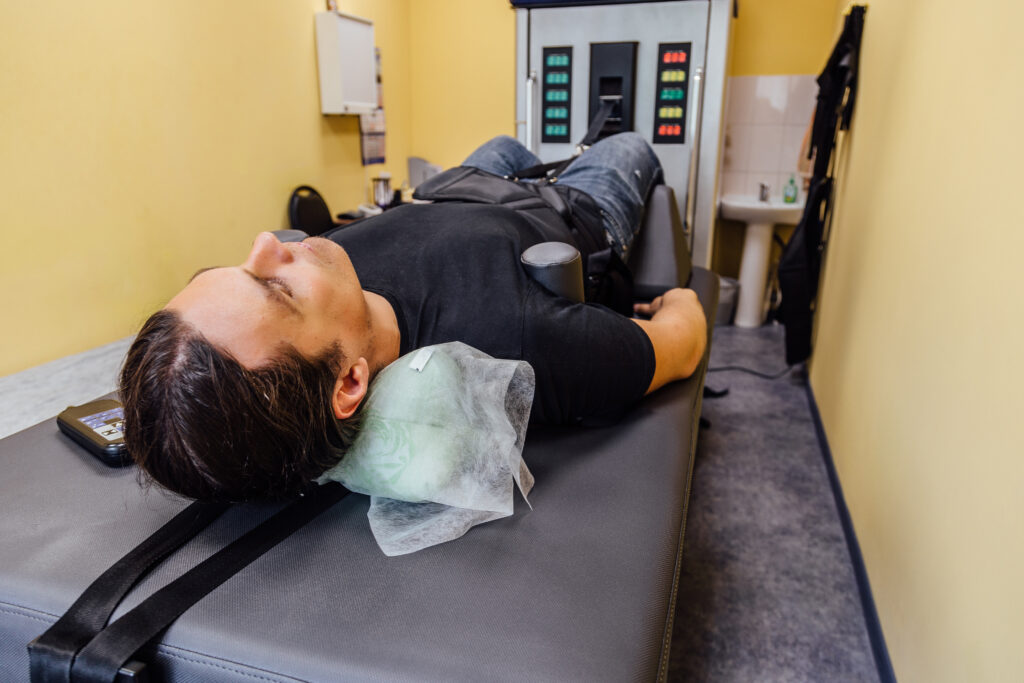
Spinal decompression is a non-surgical procedure that is used to relieve pressure that may be accumulated on the spinal cord. Including pressure that may be compressing nerve roots passing through or exiting from the spinal column. Ideally we would recommend coming into SOHMA of Long Beach CA where we offer Non-Surgical Spinal Decompression using a specialized decompression table called a spinal traction. You are fitted with a harness around your pelvis and abdomen. The Spinal Traction table is used to take pressure off of your spinal cord and vertebrae. It can also reposition those vertebrae naturally. For optimal benefits some patients may require as many as a couple months of treatment.

Can you decompress at home?

Of course there are ways to do spinal decompression at home, though your results may vary. There are exercises and stretches that you can do which work on the concept of spinal decompression to help give your lower back some relief. At SOHMA we recommend consulting with a healthcare professional before beginning any at home exercise routine. If these exercises and stretches are not suitable for you they may end up causing more pain.

At Home Spinal Decompression Stretches

There are many stretches that can be used to decompress your spine, below are 3 examples of simple stretches that can be done at home without the need of special equipment.

Overhead Stretches

A very simple exercise that can be done by most people. 

  1. Stand on even ground with your legs at shoulder’s length apart.
  2. Reach both of your arms over your head and interlock your fingers and straighten your elbows.
  3. While holding this position pretend to reach up and touch the sky.
  4. Hold for 10 to 30 seconds, determined by your comfort level.

Do this as needed throughout the day.

Child Pose

This stretch has provided many people lower back pain relief but it is more advanced. This will be performed on the floor so we recommend a yoga mat to make it more comfortable, though it is not necessary.

  1. Go onto your hands and knees to begin this stretch.
  2. Keep going down until your glutes touch your feet while on your knees.
  3. Bend over at your hips and reach forward with your hands on the floor.
  4. Based on your comfort levels, hold this position for 10 to 30 seconds.
  5. Repeat after a minute of rest between stretches.

The further forward you reach with your hands while stretching the more decompression you will feel.

Using Your Bed or Couch

You can use the edge of your bed or the hand rest of your couch to decompress your lower back.

  1. Using an additional pillow for extra comfort, lay it flat on your bed or couch. Making sure your knees are slightly off the ground.
  2. Your weight should be on your toes in order to relax your back and core muscles.
  3. Tuck your chin towards your chest and straighten your arms at the elbow.
  4. Reach forward with your hands and hold onto the surface of the couch or bed and try to pull yourself forward.
  5. Hold this position for 10 to 30 seconds depending on your comfort levels.
  6. After resting for a minute try to reach further than you did previously.

You’re going to feel a great stretch into your upper back that makes its way down to your tailbone. Also due to your position, you will feel a stretch from your hip to your knees.

There are many other factors that go into decompressing your spine. If you feel that the stretches are not relieving enough pain. You may require the use of a Spinal Traction table for Non-Surgical Spinal Decompression.

Take the Next Step In Improving Your Health by Contacting SOHMA Integrative Medicine

Our goal is to help you improve your health. You can reach out to us and ask us about the Myers Cocktail, IV Therapy, Chiropractic care, or how our other health service lines can help you with your journey to improved health. 

Located in Long Beach, CA we help individuals from the surrounding cities.

We look forward to helping you take the next step in your journey to better health.

Filed Under: Therapy Tagged With: sohma, SOHMA Interactive Medicine, SOHMA Long Beach, Spinal Decompression

Cupping Therapy and How it Can Help with Back and Neck Pain

March 31, 2022 by Dr. Daniel Hoover

With athletes and celebrities popularizing Cupping Therapy in the mainstream, many people are beginning to ask more about what Cupping Therapy is and whether it can help them with their physical or mental problems. 

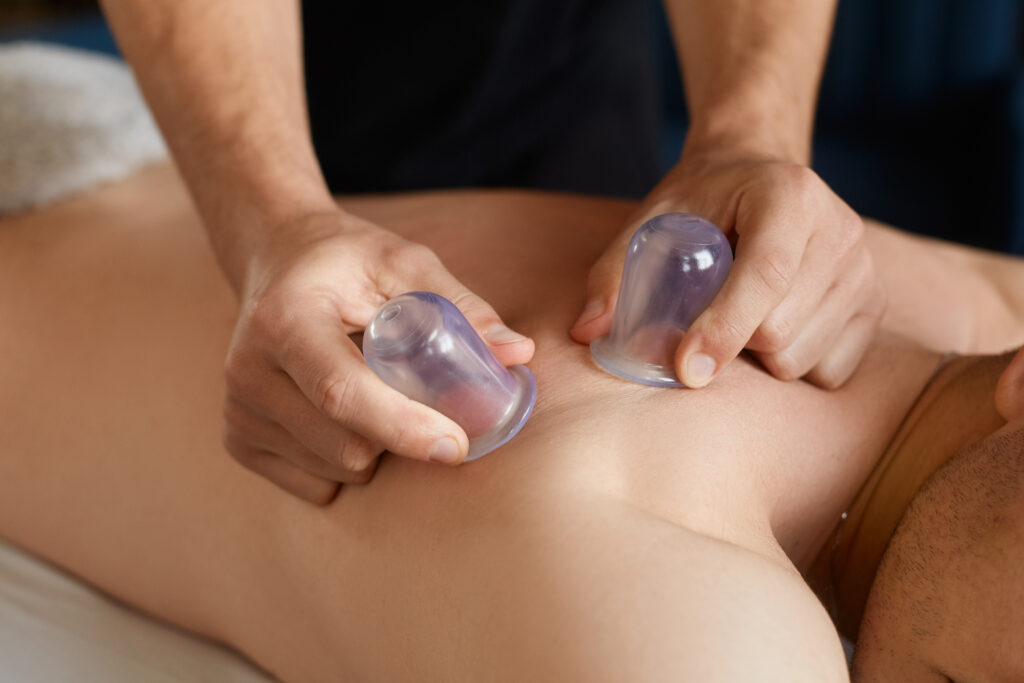
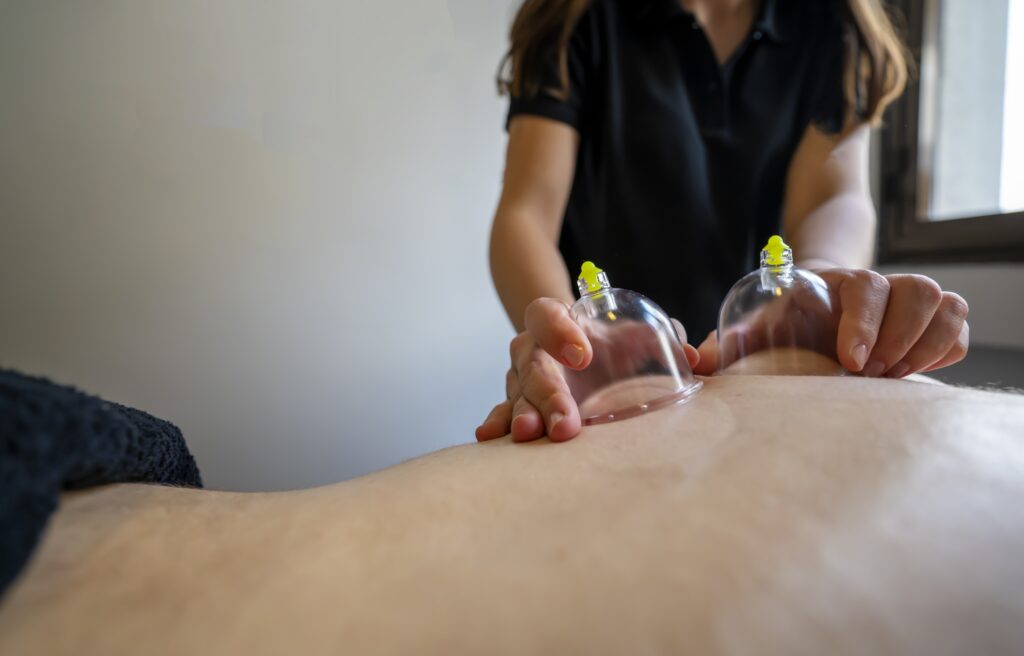
Cupping Therapy is a traditional Chinese medicine that has been around for thousands of years. In the west it is seen as a form of alternative medicine in which a cup is placed on the skin and air is pumped out of it. This will cause the soft tissue to get sucked into the cup, stretching the skin, muscle and fascia. Promoting circulation and aiding the recovery process.

You may be wondering how this is beneficial? Today we are going to talk about how this process helps with back pain and neck pain.

Increased Blood Circulation

Many people may not understand how important proper blood circulation is when it comes to recovery. As we need good circulation to remove toxins from our body and sometimes the organs designated to do this job need a little bit of help. Through no fault of our own sometimes our lifestyle will burden the lymphatic system just by living in a big city. Where we are constantly being exposed to smoke, chemicals and heavy metals.

When the soft tissue is being pulled and stretched into the cup the body will respond by increasing blood circulation to the area being treated. The sudden increase in flow will flush out stagnated toxins and attract immune cells. The increase in oxygenated blood can help with cell repair and help form new connective tissues. An additional benefit is the reduction of inflammation which can help with pain management and cut down the time needed for a natural recovery.

Neck Pain

Many people suffer from neck pain, and for most neck pain is mild and often goes away on its own or with simple treatments. For those with chronic neck pain however, you may need something more than just “taking it easy”. 

Neck pain can be caused by a number of reasons, some more serious than others these include:

  • Poor Sleeping Position
  • Whiplash
  • Extended Periods of Time Arching Your Neck
  • Grinding/Gritting Your Teeth
  • Poor Posture
  • Repetitive Motion
  • Muscle Strain

As previously stated, Cupping causes vasodilation which increases flow of blood to the area that is being treated. When the soft tissues become stretched it loosens muscle knots relaxing the neck. The reduction in swelling due to the increased circulation makes Cupping Therapy an effective form of reducing chronic neck pain. 

Back Pain

Much like neck pains, back pain can be caused by a variety of reasons. Most common being Muscle strains and sprains. Back pain caused by sitting for extended periods of time has become more common in recent times.Due to the difference in size it is more common to injure your back doing everyday things like picking up your child. Or in some cases coughing or sneezing. 

Back pain may take longer to heal depending on the severity of the injury. Cupping Therapy is usually done as often as twice per week. Though depending on the color of the mark left by the cup, treatment may be adjusted.

Cupping Therapy can be used to treat pain, reduce scar tissue in muscles, and reduce swelling and muscle knots. We are here to aid you in recovering the natural way. Cupping Therapy is only one of many treatments we offer.

Take the Next Step In Improving Your Health by Contacting SOHMA Integrative Medicine

Our goal is to help you improve your health. You can reach out to us and ask us about the Myers Cocktail, IV Therapy, Chiropractic care, or how our other health service lines can help you with your journey to improved health. 

Located in Long Beach, CA we help individuals from the surrounding cities.

We look forward to helping you take the next step in your journey to better health.

Filed Under: Cupping Therapy Tagged With: Cupping Therapy, sohma, SOHMA Interactive Medicine, SOHMA Long Beach

5 Questions to Ask Prior to Cupping Therapy

March 25, 2022 by Dr. Daniel Hoover

What is Cupping Therapy?

This first question is a freebie, Cupping Therapy is a Traditional Chinese therapy in which cups with negative pressure are placed on the skin. The negative pressure causes a suction to occur on the skin which pulls on the skin, muscle and fascia up into the cup. This action brings fresh oxygenated blood into the injured tissue. While at the same time pulling out old toxins and stagnant blood from the soft tissue, it is then recirculated and filtered out of the body.

Now that you are more acquainted with cupping therapy, there are a few questions you may have before going through with Cupping Therapy. Today I’ll be answering 5 of the more commonly asked questions patients ask prior to Cupping Therapy.

Does It Hurt?

Quite possibly the most common question asked before Cupping Therapy is whether it’s painful. No, it doesn’t really hurt. The truth is every patient experiences Cupping differently so it is difficult to give an absolute answer. Some patients feel the pulling of the soft tissue is uncomfortable and not very pleasant. On the other hand there are patients who find the experience soothing and relaxing like getting a massage. Depending on the stagnation of the tissue being treated you may experience some soreness. If for some reason you do feel pain, let the therapist know as they may need to adjust the strength of the suction on the cup in order to make the therapy more comfortable.

What are those Marks?

Once you are done with your Cupping Therapy session you’ll notice round marks left behind from the cups. Some people think they are bruises however, these marks can tell you how stagnated the treated tissue was. With darker marks meaning there was more stagnation. These marks can take one to two weeks to clear up depending on your body’s stagnation as well. Staying well hydrated can shorten the time for the marks to fade.

How do I Prepare for Cupping Therapy?

Firstly you should be hydrated. Cupping works with your lymphatic system to get rid of toxins and cellular waste from your body. In order for this to work properly plenty of water is required. Avoid shaving, exfoliating or anything else that can make your skin sensitive. Having sensitive skin can increase discomfort during a Cupping Therapy session and can cause you to have an overall poor experience. 

Wear comfortable loose fitting clothes as once a Cupping Therapy session ends your skin may feel sensitive.

How Many Sessions do I Need?

It depends on the specific needs and goals of the patient. Cupping Therapy has an immediate effect on patients, and effects can last for days after. If you are just looking to detoxify, a single session every month may be enough. On the other hand an active and athletic person may require more frequent sessions. Feel free to ask the helpful staff at SOHMA if you would benefit from frequent Cupping Therapy sessions.

Is Cupping Therapy Safe?

For the vast majority of patients, yes. It is unusual and rare for Cupping Therapy to cause any serious problems. Side effects are limited to the marks left behind after Cupping Therapy though in extremely rare cases skin infections can occur. Precaution is necessary if you have suffered from recent cardiac arrests, have been fasting for long periods of time or if you are pregnant.

If you still have questions regarding Cupping Therapy be sure to ask your therapist at SOHMA Integrative Medicine of Long Beach CA if Cupping Therapy is right for you.

Take the Next Step In Improving Your Health by Contacting SOHMA Integrative Medicine

Our goal is to help you improve your health. You can reach out to us and ask us about the Myers Cocktail, IV Therapy, Chiropractic care, or how our other health service lines can help you with your journey to improved health. 

Located in Long Beach, CA we help individuals from the surrounding cities.

We look forward to helping you take the next step in your journey to better health.

Filed Under: Cupping Therapy Tagged With: Cupping Therapy, rehabilitation, sohma, SOHMA Interactive Medicine, SOHMA Interactive Medicine Pain, SOHMA Long Beach

What is IV Therapy Used for?

March 17, 2022 by Dr. Daniel Hoover

When people hear IV Therapy their immediate assumption might be that it is required to go to a hospital. Or perhaps people are just not aware that IV therapy has therapeutic properties that can help with everyday health challenges.


Today we’re going to get more acquainted with the usages of IV Therapy. We invite you to consider whether IV therapy should be part of your healthcare treatment plan.

What is IV Therapy


IV is short for Intravenous, making IV Therapy a therapeutic intravenous treatment. Unlike its medical counterpart you do not need to go to a hospital in order to receive IV Therapy.  The IV is used as a delivery method for fluids, minerals, and vitamins. At SOHMA Integrative Medicine we offer the Myer’s Cocktail which is a blend of Vitamin C, B Complex, Magnesium and Calcium. By taking this blend through an IV instead of orally, you bypass the digestive system. IV Therapy allows your body to take full advantage of the vitamins and minerals more efficiently. Many are unaware that the digestive system tends to break down most of the nutrients before the body can use them.

What is in the Myer’s Cocktail

Vitamin C is a known immunity booster and is a needed component of the body to grow and repair body tissues. It being an antioxidant helps protect cells from damage caused by free radicals. Free radicals being the resulting molecules after the body breaks down food. They can also occur when exposed to toxins in the atmosphere like pollution, smoke and radiation. 

Vitamin B complex is made up of various sets of vitamin B. The body uses Vitamin B in a number of forms, such as converting food to energy, lifting your mood and improving your cognitive effectiveness. 

In order to maintain normal nerve and muscle function the body uses Magnesium.

Calcium is known to be necessary to build and protect bones, helps muscles contract and the heart to beat.

IV Therapy Uses

There are many different uses for IV Therapy that vary from person to person as everyone has a different lifestyle. Some of the different benefits IV therapy is known to have include:

  • Detoxification
  • Rehydration
  • Immune System Support
  • Increased Energy Levels
  • Cardiovascular Health
  • Relaxation

For athletic lifestyles IV therapy can help by boosting energy levels to keep you strong and energetic for the rest of the day. It can be used to rehydrate the body after a particularly grueling exercise session. If you have been feeling sluggish throughout the day it could be that you need to relax and detoxify your body from toxins you may have been gathering by just living in a large metropolitan city. Regardless of your lifestyle choices, Myer’s Cocktail IV therapy can serve to better your health by letting your body take advantage of the nutrients being passed through the IV, and letting your body recover naturally.

Myer’s Cocktail has also been used to aid a number of conditions including:

  • Fibromyalgia
  • Migraines
  • Chronic Fatigue Syndrome
  • Acute Muscle Spasm
  • Upper Respiratory Conditions

Myer’s cocktail IV therapy has been found to be effective at relieving symptoms from seasonal allergies, upper respiratory infection, and sinusitis. Delivering a more concentrated dose of vitamin supplements through IV can help to bring balance to the body. Helping reduce fatigue and elevate energy levels.

IV Therapy can help you in many different ways. Though it is up to you to make the decision of letting your body recover the natural way is up to you.

Take the Next Step In Improving Your Health by Contacting SOHMA Integrative Medicine

Our goal is to help you improve your health. You can reach out to us and ask us about the Myers Cocktail, IV Therapy, Chiropractic care, or how our other health service lines can help you with your journey to improved health. 

Located in Long Beach, CA we help individuals from the surrounding cities.

We look forward to helping you take the next step in your journey to better health.

Filed Under: Therapy Tagged With: IV Therapy, Myer's Cocktail, sohma, SOHMA Interactive Medicine, SOHMA Interactive Medicine Pain, SOHMA Long Beach

  • « Go to Previous Page
  • Page 1
  • Interim pages omitted …
  • Page 9
  • Page 10
  • Page 11
  • Page 12
  • Page 13
  • Interim pages omitted …
  • Page 15
  • Go to Next Page »

Footer

Contact Us

SOHMA Integrative Medicine – Long Beach

Email
drdanielhoover@sohma.org

Follow Us on Instagram Instagram


WCAG

The Web Content Accessibility Guidelines (WCAG) defines requirements for designers and developers to improve accessibility for people with disabilities for websites, such as for SOHMA Integrative Health Center. It defines three levels of conformance: Level A, Level AA, and Level AAA. SOHMA is partially conformant with WCAG 2.1 level AA. Partially conformant means that some parts of the content do not fully conform to the accessibility standard.

Our goal here at SOHMA is to make our website accessible to all visitors; unfortunately, our goal for 100% accessibility is not yet complete. Our goal is to provide universal access to our website by following WCAG 2.0 (current WCAG 2.1) A, AA guidelines; however, this will be a work in progress.

Feedback

We welcome your feedback on the accessibility of SOHMA’s website. Please let us know if you encounter accessibility barriers on our website. We are here to help. You can reach us below at:

Phone: (562) 420-2112
E-mail: accessibility@sohma.org
Postal address: 4195 N. Viking Way, Long Beach, CA 90808
We try to respond to feedback within 5 business days.

SOHMA Integrative Medicine

Connect With Us

VA Authorized

SOHMA Integrative Medicine | Privacy Policy | Copyright © 2026

Designed by ITSOPRO